Beyond air fryers
The countertop appliances worth the space
The rest of the counter, held to the same standard: which brands actually last, and the toaster ovens, mixers and blenders that earn their footprint — with live prices.
We earn a commission when you buy through our Amazon links, at no extra cost to you. It never changes a verdict, and we say so when the cheaper product is the better buy. How this works.
Air fryers are where we started, but they share a counter with a handful of other appliances that follow the same rules: buy on build quality and the specs that matter, ignore the marketing, and the boring, mid-priced workhorse usually wins. This hub extends the same honest method to the rest of the countertop — the machines you'll actually keep.
The most useful place to start is which kitchen appliance brands are worth buying. Brand genuinely matters here, but not the way the ads imply — it's about who builds a reliable motor, honors a warranty, and still sells parts in five years. We name the brands that clear that bar in each category and, importantly, flag where a famous name is coasting on reputation. Note that we cover countertop gear you can actually buy online: air fryers, toaster ovens, mixers, blenders, coffee. We deliberately do not chase built-in ranges, wall ovens, and fridge packages — that's a showroom-and-installer purchase, not something we can honestly help you buy from a review site.
The other launch guide here is the best toaster ovens, which overlap heavily with air fryers — many of the best toaster ovens now air-fry too, so if you're short on counter space, one combined machine may replace two. Each pick carries a live price and the same “skip this if…” honesty as our air fryer roundups.
Two more categories are now covered, both chosen because they're big-motor purchases where buying badly is expensive. The best blenders are ranked by what you actually blend rather than by wattage — most people over-buy here, and the jobs that genuinely justify a high-performance machine are narrower than the marketing suggests. The best stand mixers opens with the question nobody selling them asks: whether you need one at all, or whether a hand mixer would serve you better and stay in a drawer.
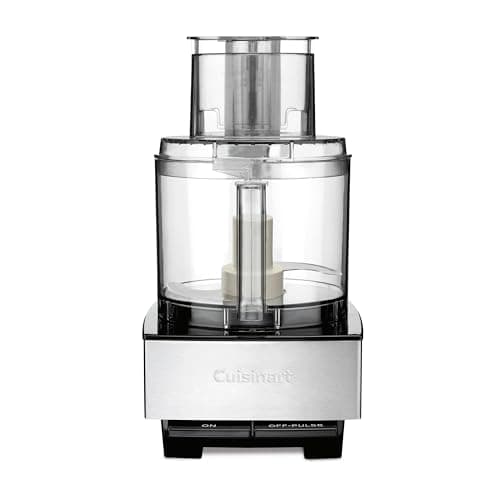
Two more categories complete the counter. The best coffee makers are ranked on the one thing that decides the cup and that most machines fail — brew temperature — and we checked every certification claim against the Specialty Coffee Association's own published list rather than against marketing, which reorders the field considerably. The best food processors opens with the question the category avoids: whether you'll use one at all, given that a knife and a box grater beat a six-part machine you have to wash. If you will, the ranking turns on usable bowl capacity, adjustable slicing, and whether you can still buy a replacement bowl in a decade.
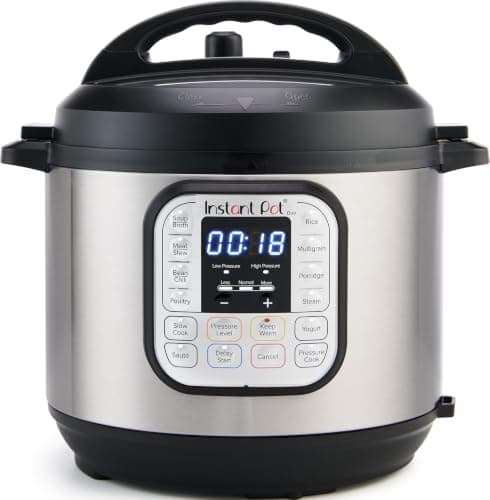
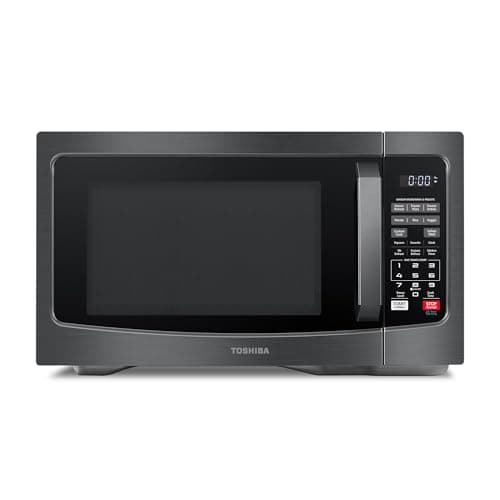
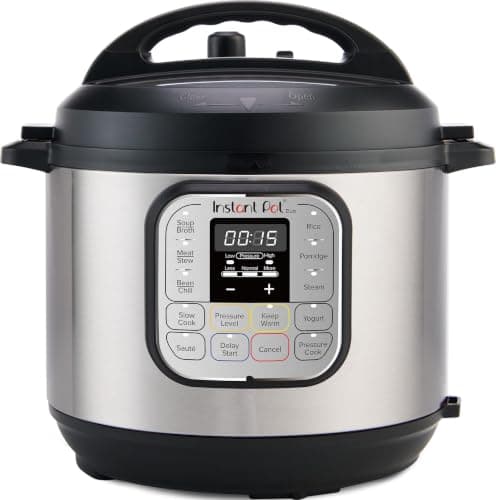
Two more roundups cover the moisture side of the counter, which is the half an air fryer cannot touch. The best pressure cookers and multi-cookers are ranked on inner-pot material, the two-thirds fill rule that decides real capacity, and whether you can still buy a sealing ring in five years — and the page leads with the safety point the category buries, which is that the “canning” button on an electric multi-cooker is not a canning feature and the USDA-funded body that writes America's home-canning processes says so. The best countertop microwaves turn on the two specifications nobody prints on the front of the box: whether a dinner plate actually turns inside, and whether the machine makes “50% power” by halving the power or by flicking full power on and off.
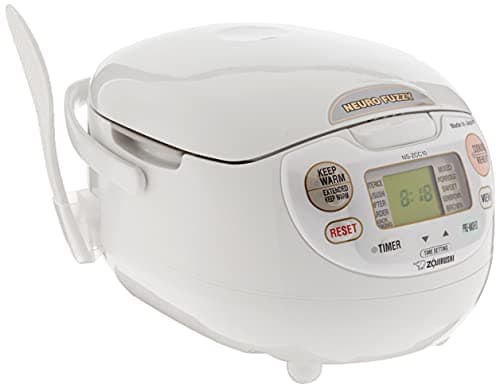
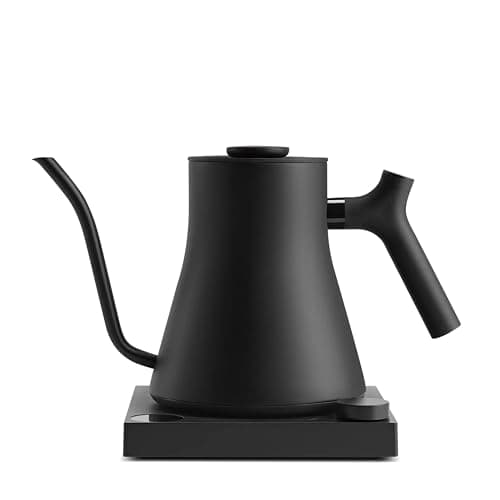
Five newer roundups fill in the rest of the counter. The best rice cookers are ranked on whether the machine adjusts as it cooks — fuzzy logic against a plain thermostat — and include the only genuinely uncoated stainless inner pot we have found. The best slow cookers lead with the two USDA rules most guides skip: thaw the meat first, and hold cooked food at or above 140°F. The best electric kettles are the one place where the plastic question genuinely changes your exposure, so the ranking starts with what the water touches. The best indoor grills do the one thing an air fryer cannot — press 500°F metal against food — and the page is blunt that none of them is actually smokeless. And the best espresso machines open with the uncomfortable truth that the grinder matters more than the machine.
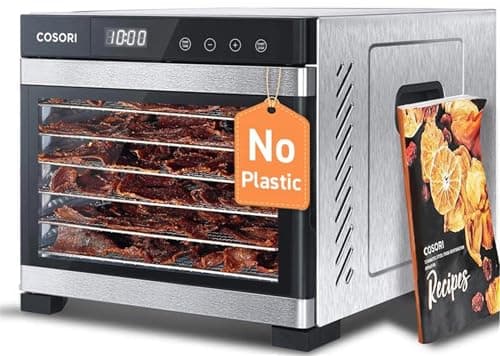
One roundup here is the one closest to an air fryer, and it starts by trying to talk you out of the purchase. The best food dehydrators opens with a check: if your air fryer publishes a temperature floor below about 110°F, it already dries food, and three of the machines we rank do. If it starts at 200°F, its Dehydrate button is Bake with a smaller number, and the page ranks six real dehydrators on the specification the category hides — drying area, which is not the same as tray count — plus the USDA jerky rule most guides skip and what a ten-hour batch actually costs in electricity.
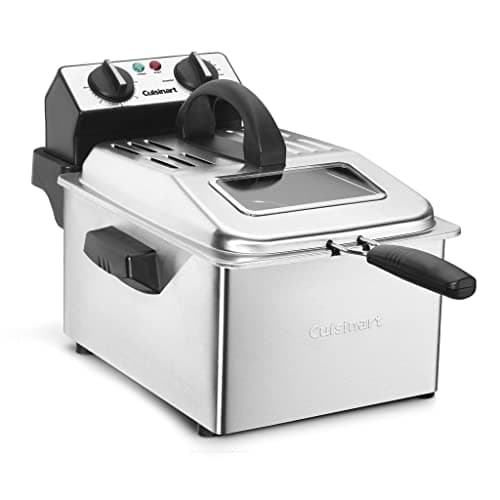
Another page here goes the other way — it covers the one machine an air fryer genuinely cannot replace. The best deep fryers ranks six countertop fryers on the specification the category never prints: recovery, which is watts divided by liters of oil rather than either number on its own. It also does the running-cost math nobody publishes for this category, and the answer is counter-intuitive — a frying session costs about fifteen cents in electricity, while the oil costs many times that and recurs, which is why the right advice is to buy the smallest fryer that fits what you cook rather than the biggest one you can afford.
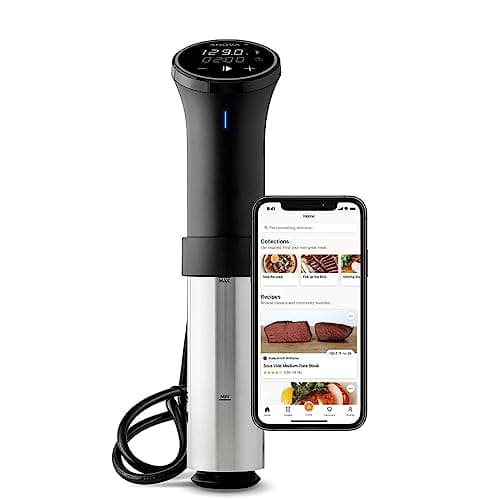
The newest roundup here is the opposite of every other machine on this page: instead of putting something far hotter than your target against the food, it sets the water to the exact temperature you want and waits. The best sous vide machines ranks five immersion circulators on what their makers will actually publish — flow rate, water-level limits and an IPX waterproof rating — and on the split nobody leads with, which is whether the thing cooks at all without a phone in the room. One pick here has no app and no radio; the most expensive one has no buttons. The page also settles the fear that stops most people buying: a twelve-hour cook is not an expensive one, because nearly all the electricity goes into the first half hour, and bringing a full bath up from cold tap water costs about the same as one air fryer session.
Every roundup here leans on the same test — can you still buy parts for it in ten years? A stand mixer, blender, food processor or coffee maker is meant to outlast several air fryers, so repairability matters more here than any spec on the box. More categories arrive as we get to them; every one gets the same treatment — real specs, running costs where they matter, and a pick we'd tell a friend to skip.
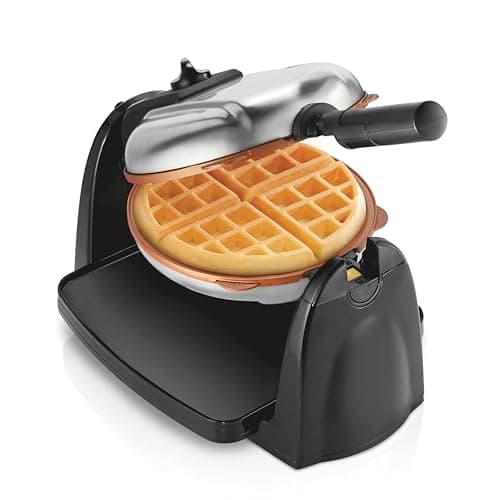
The newest roundup takes that repairability test to its logical end. The best waffle makers ranks six machines on the plate your batter actually touches, because a waffle iron has no basket, bowl or jug between the appliance and your food — and on nearly every model sold, the coated plate is bonded in, so it cannot be put in a dishwasher or replaced when it wears. A worn plate ends the machine. The page ranks on what each maker will publish about that coating (Hamilton Beach states PTFE- and PFOA-free for its Durathon ceramic; several rivals describe their plates only as "nonstick" and never name the material), on whether the grids come out at all, and on watts per waffle — the division nobody prints, which shows the machine with the biggest number on the box putting the least heat into each waffle because it bakes two at once.
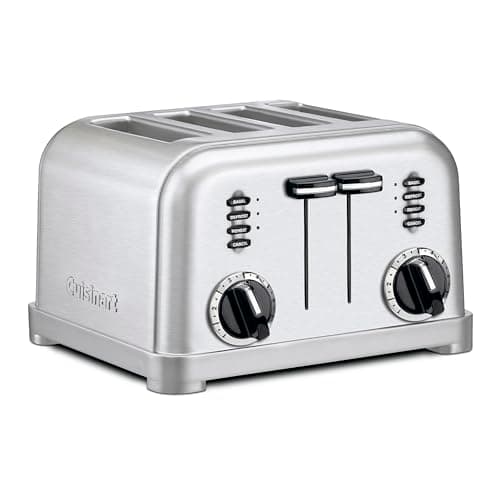
The pop-up toaster gets the opposite treatment, because it is the one appliance in this hub with nothing between the bread and bare metal. The best toasters ranks seven machines — 2-slice, 4-slice, long-slot for sourdough, and the under-$50 tier — on the three numbers the category buries: whether the maker will publish a slot length at all (only two of the seven do), watts per slot rather than the total on the box (which is why two of the three 4-slice toasters give each slice less heat than the cheapest 2-slice), and what the machine gives you to fix a pale slice without starting a second cycle. It also answers, honestly, whether you need a toaster at all if you already own a toaster oven.
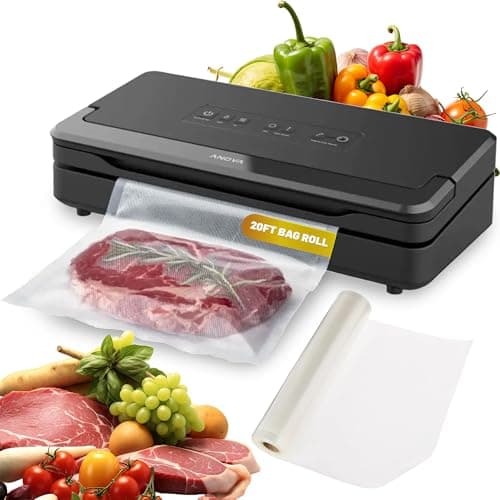
The newest roundup covers the one appliance here that does not cook anything. The best vacuum sealers exists because this category publishes its single important specification in two incompatible units — inches of mercury or kilopascals — when it publishes it at all, so the page converts every claim into one unit against the 101.3 kilopascals of atmospheric pressure, and names the four makers who publish no suction figure of any kind. It ranks on what happens when the food is wet (which is why chamber machines exist and why a frozen block seals better than a liquid), on which bags you are tied to, and on the fact that bags rather than electricity are what one of these costs to own. It also carries the warning the category leaves out: FoodSaver's own manual states that vacuum sealing is not a substitute for canning, and names four common foods — fresh mushrooms, onions, garlic and soft cheese — that should never be sealed at all.
Three newer pages cut across the categories above rather than adding another one. The best appliances for small kitchens ranks on jobs retired per square foot, because in a galley kitchen or an apartment the scarce resource is counter rather than money — and it names three popular appliances we would tell you not to buy at all. The most energy-efficient kitchen appliances costs out a typical job for every machine whose maker publishes a wattage, and names the three categories that publish nothing you can check: microwaves quote output rather than input, slow cookers quote nothing at all, and blenders quote a peak figure. And the best appliances for meal prep ranks on how much of the batch-cook-to-reheat loop each one covers, with the USDA cooling rules that decide whether a Sunday session is still safe on Thursday.
If you are buying any of this for somebody else, the same picks are re-sorted by recipient in our kitchen gift guides — housewarming presents for a first real kitchen, the step-up shelf for someone who genuinely cooks, and a non-toxic list for anyone who cares what their food touches. The parts-supply test above matters even more for a gift than for your own purchase, because you are choosing something the recipient has to live with for years. And our Black Friday and Cyber Monday page explains why the premium end of this hub — stand mixers, high-end blenders, specialist coffee gear — moves far less in November than the volume categories do.
One newer page here is ranked on something the category never scores. The best kitchen appliances for seniors judges this whole counter on control type, what you have to lift and from where, and whether the machine still works when the app does not — which is why a mechanical dial outranks a touchscreen on every row of it.
The newest cross-category page here asks one question and nothing else. Non-toxic kitchen appliances ranks kettles, rice cookers, pressure cookers, toasters, dehydrators and blenders on what material is actually in contact with your food and whether the maker publishes it — and it names the three categories where no coating-free option exists yet, rather than padding the list.
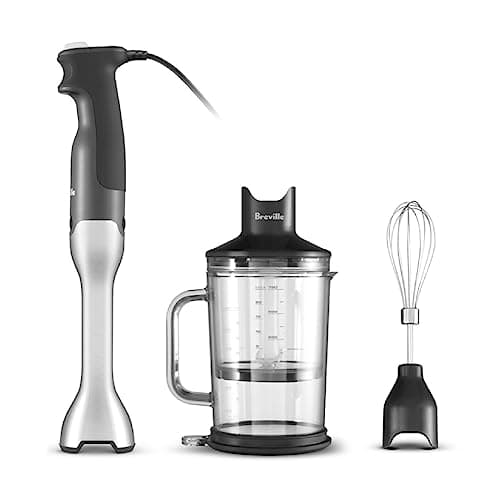
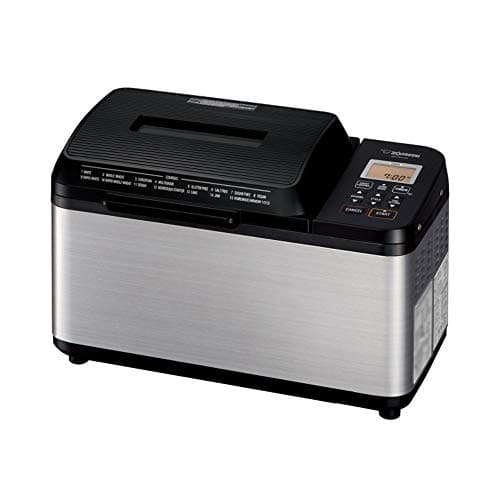
Two new roundups add the appliances this hub was missing, and both are ranked on a specification the category prefers not to print. The best immersion blenders refuse to rank on wattage — the published figures run from 280 W to 625 W across six machines doing the same job, our winner claims the lowest of them, and only three of the six makers will tell you how long the wand is, which is the one number that can make a stick blender useless in your kitchen. And the best bread machines turn on three published facts rather than the program count: how many kneading blades there are, whether there is a heater in the lid as well as the base, and whether the maker will name the coating on the pan — which matters here more than anywhere in this hub, because wet dough sits against that surface for three to four hours.
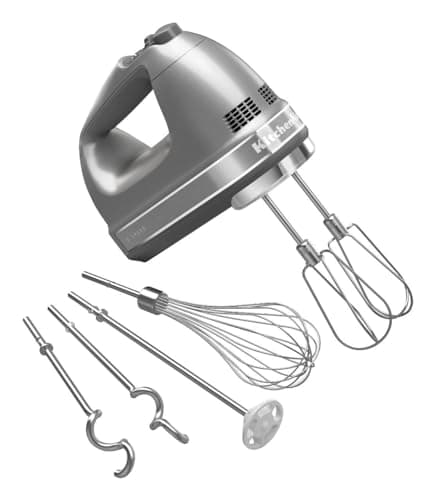
The newest roundup here applies the same discipline to the drawer rather than the counter. The best hand mixers are ranked on the two parts that touch your food and on how slow the first speed really is, not on power — the most expensive mixer in the field publishes no wattage at all and the cheapest publishes 250 W. Four of the six makers publish nothing whatsoever about the bottom of the speed range, which is the end that throws flour, and one of them states plainly that its beaters are the old center-post design. If the question is really whether you need the bigger machine, stand mixer vs hand mixer settles that first.
Everything in this hub
All kitchen appliances
Roundup
The best kitchen appliance brands, judged on what they actually build
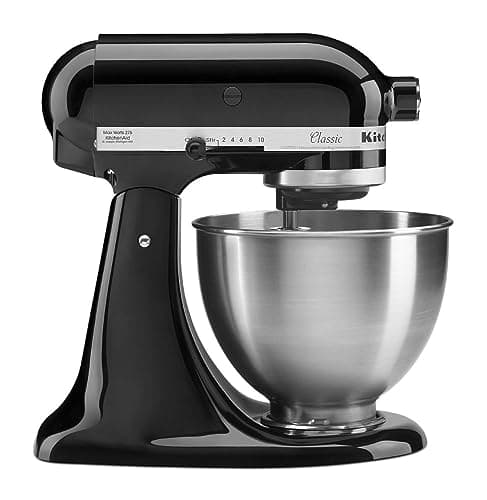
The countertop brands worth buying — KitchenAid, Ninja, Cosori, Vitamix, Cuisinart — each with a hero product, a live price, and an honest note on where they coast.
5 picks compared
See all picks →Top pick: KitchenAid Classic Series Tilt-Head Stand Mixer
Roundup
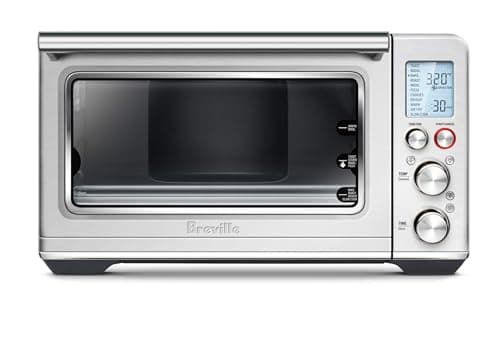
The best toaster ovens of 2026 — most of them air-fry, too
Five air-fry toaster ovens ranked on capacity, build and value — the combo machines that can replace both a basket fryer and an oven.
5 picks compared
See all picks →Top pick: Breville Smart Oven Air Fryer (BOV860)
Roundup
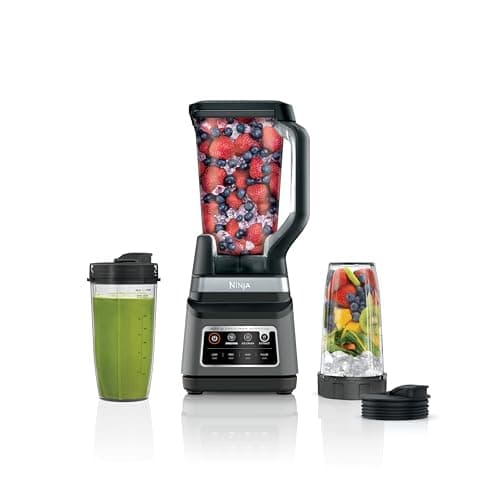
The best blenders, ranked by what you actually blend
Six blenders from a budget workhorse to a buy-it-once Vitamix, ranked on motor, jar and the job you're actually buying it for.
6 picks compared
See all picks →Top pick: Ninja Professional Plus DUO Blender (BN751)
Roundup
The best stand mixers, and whether you need one at all
Five stand mixers from a budget tilt-head to a bowl-lift workhorse — plus the honest test for whether you need one at all.
5 picks compared
See all picks →Top pick: KitchenAid Classic Series Tilt-Head Stand Mixer
Roundup
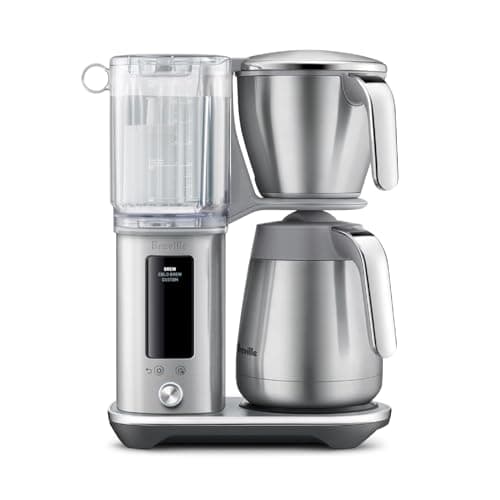
The best coffee makers, ranked on brew temperature
Seven drip machines ranked on brew temperature, saturation time and carafe type — with certification claims checked against the Specialty Coffee Association's own published list.
7 picks compared
See all picks →Top pick: Breville Luxe Brewer BDC465 (Thermal Carafe)
Roundup
The best food processors, and whether you need one
Six food processors ranked on bowl capacity, disc set and cleanup — starting with the honest question of whether you will use one at all.
6 picks compared
See all picks →Top pick: Cuisinart 14-Cup Food Processor (DFP-14BCNY)
Roundup
The best pressure cookers and multi-cookers
Six pressure cookers and multi-cookers ranked on pot material, real capacity and parts — including why the “canning” button on an electric model is not a canning feature.
6 picks compared
See all picks →Top pick: Instant Pot Duo 7-in-1, 6 Quart
Roundup
The best countertop microwaves
Five countertop microwaves ranked on usable cavity size and how they deliver reduced power — plus why the watts on the box are not what the machine pulls from your wall.
5 picks compared
See all picks →Top pick: Toshiba Countertop Microwave, 1.2 Cu Ft, 1000 W
Roundup
The best rice cookers, ranked by what changes the rice
Six rice cookers from a $23 one-button pot to Zojirushi’s fuzzy-logic machine — plus the uncoated stainless option and the leftover-rice rule that matters more than any of them.
6 picks compared
See all picks →Top pick: Zojirushi Neuro Fuzzy NS-ZCC10 (5.5 cup)
Roundup
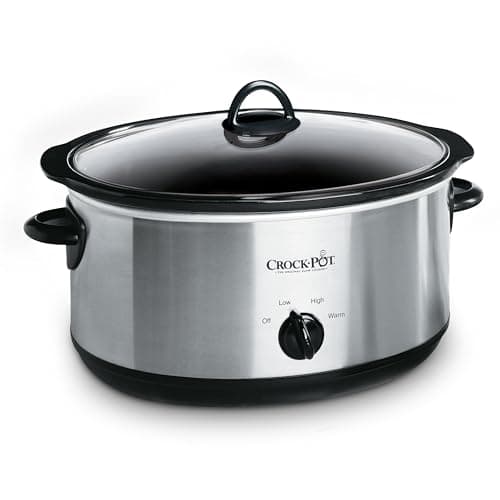
The best slow cookers, and the safety rules nobody prints
Five slow cookers from a $45 manual Crock-Pot to an All-Clad, ranked on crock shape, probe mode and sear-in-pot — with the USDA rules on thawing and holding.
5 picks compared
See all picks →Top pick: Crock-Pot 7-Quart Manual Slow Cooker
Roundup
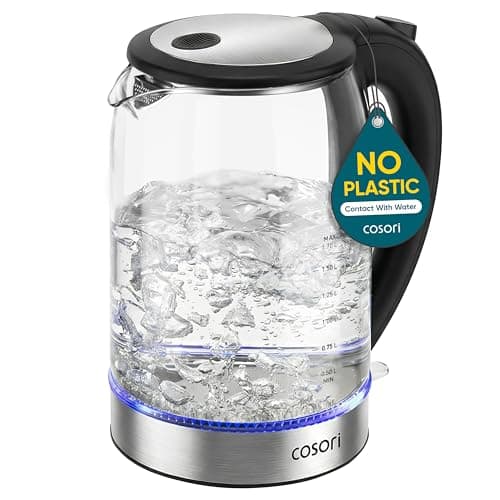
The best electric kettles, starting with what the water touches
Six kettles ranked on interior material, temperature control and pour — including the all-stainless model with no plastic in contact with the water.
6 picks compared
See all picks →Top pick: Cosori 1.7L Stainless Kettle (no plastic in the water path)
Roundup
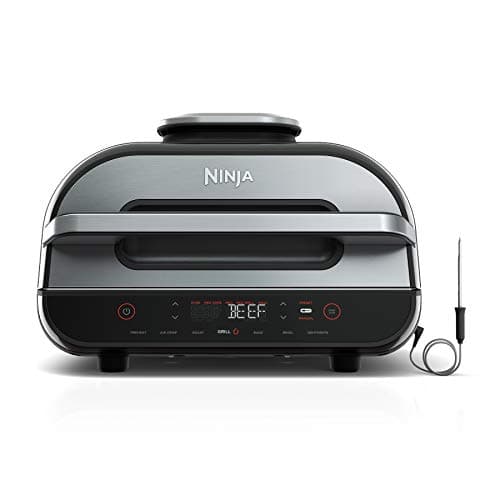
The best indoor grills, and what “smokeless” really means
Five indoor grills ranked on plate temperature, smoke management and format — from a $42 contact grill to the 500°F combo that also air-fries.
5 picks compared
See all picks →Top pick: Ninja Foodi Smart XL 6-in-1 Indoor Grill (FG551)
Roundup
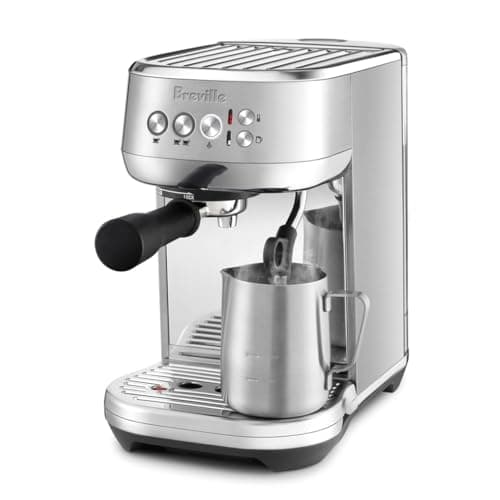
The best espresso machines, ranked by what decides the shot
Five machines from a $120 manual starter to a bean-to-cup automatic, ranked on temperature stability, portafilter size and grinder — plus the honest note about grinders.
5 picks compared
See all picks →Top pick: Breville Bambino Plus (BES500)
Roundup
The best food dehydrators, and whether you need one at all
Six dehydrators ranked on drying area, airflow direction and temperature floor — from a $55 machine with no thermostat to a glass-door Excalibur — plus the USDA jerky rule and the cost of a 10-hour batch.
6 picks compared
See all picks →Top pick: Cosori Premium 6-Tray Stainless Steel Dehydrator (CP267-FD)
Roundup
The best deep fryers, and the running cost nobody adds up
Six deep fryers ranked on recovery, oil handling and pot material — from a machine with no thermostat at all to a fryer that filters and stores its own oil — plus why almost every one of them stops at exactly 375°F.
6 picks compared
See all picks →Top pick: Cuisinart 4-Quart Deep Fryer (CDF-200P1)
Roundup
The best sous vide machines, ranked on what happens when the app goes down
Five sous vide circulators ranked on published accuracy, flow rate and IPX rating — and on whether they cook without a phone in the room. Includes the water math: bringing a 12-liter bath to 130°F costs about eight cents, the same as one air fryer session.
5 picks compared
See all picks →Top pick: Anova Precision Cooker 3.0 (AN525)
Roundup
The best waffle makers, judged on the plate your batter touches
Six waffle makers ranked on published coating claims, whether the plates are removable, and watts per waffle — the three things that outlive the novelty. With live prices.
6 picks compared
See all picks →Top pick: Hamilton Beach 26031 Belgian Waffle Maker (Removable Durathon Grids)
Roundup
The best kitchen appliances for small kitchens
Six countertop appliances ranked on jobs retired per square foot for apartments and small kitchens - plus the three we would tell you not to buy at all.
6 picks compared
See all picks →Top pick: Instant Pot Duo Mini 7-in-1, 3 Quart
Roundup
The most energy-efficient kitchen appliances
Countertop appliances ranked by what a typical job actually costs in electricity, computed from published wattages - and a straight answer about the categories that publish none.
6 picks compared
See all picks →Top pick: Fellow Stagg EKG Pro Gooseneck (0.9 L)
Roundup
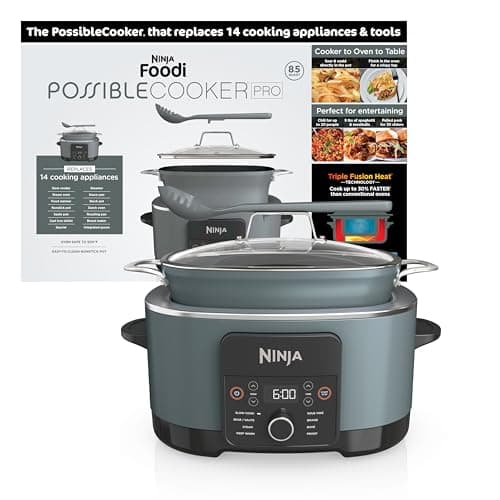
The best kitchen appliances for meal prep
Six appliances ranked on how much of the batch-cook-to-reheat loop each one covers, plus the USDA cooling rules that decide whether a Sunday session is safe by Thursday.
6 picks compared
See all picks →Top pick: Ninja PossibleCooker PRO 14-in-1, 8.5 Qt (MC1001)
Roundup
The best toasters, ranked on the slot and the watts behind it
Seven pop-up toasters — 2-slice, 4-slice, long-slot for sourdough, and under $50 — ranked on published slot size, watts per slot and how you fix a pale slice. With live prices.
7 picks compared
See all picks →Top pick: Cuisinart 4-Slice Metal Classic Toaster (CPT-180P1)
Roundup
The best vacuum sealers, ranked on a suction number you can actually compare
Six vacuum sealers — external, chamber and a no-heat-seal reusable system — ranked on suction converted to one unit, wet food, and bag lock-in. With the four foods the manuals say never to seal. Live prices.
6 picks compared
See all picks →Top pick: Anova Precision Vacuum Sealer Pro
Roundup
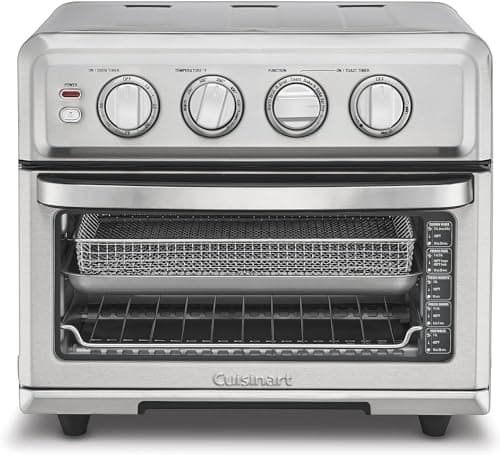
The best kitchen appliances for seniors
Six countertop appliances chosen for dexterity, legibility and weight rather than features - the ones that stay usable when grip, eyesight or patience for a touchscreen go.
6 picks compared
See all picks →Top pick: Cuisinart Air Fryer Toaster Oven (Stainless)
Roundup
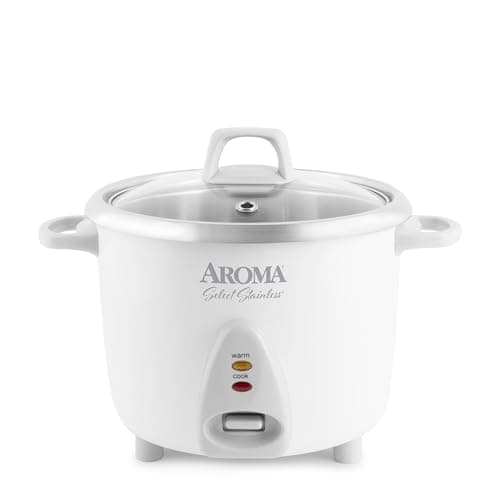
Non-toxic kitchen appliances
Six kitchen appliances with uncoated stainless or glass food paths, ranked on what actually touches the food - plus the three categories where no coating-free option exists yet.
6 picks compared
See all picks →Top pick: Aroma Select Stainless (uncoated pot, 14 cup cooked)
Roundup
The best immersion blenders, ranked on reach and not on watts
Six stick blenders ranked on blade-guard shape and published shaft length - the two specs that decide suction and splatter - with the wattage table that shows why the number on the box is useless here.
6 picks compared
See all picks →Top pick: Breville Control Grip Immersion Blender (BSB510XL)
Roundup
The best bread machines, ranked on the loaf they actually make
Six bread machines ranked on blade count, lid heat and what the pan is coated with - the three published specs that decide loaf shape and crust - plus the course most owners actually use.
6 picks compared
See all picks →Top pick: Zojirushi Home Bakery Virtuoso Plus (BB-PDC20BA)
Roundup
The best hand mixers, ranked on the beaters and not on the motor
Six hand mixers ranked on beater design, how slow the bottom speed really is, and what each maker leaves out of the box — with the honest note that wattage predicts almost nothing in this category.
6 picks compared
See all picks →Top pick: KitchenAid 9 Speed Hand Mixer (KHM926)