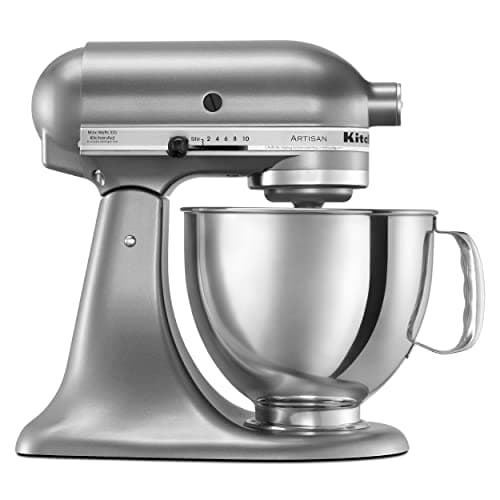
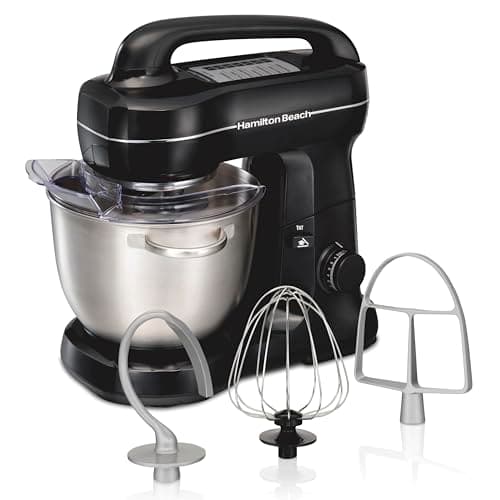
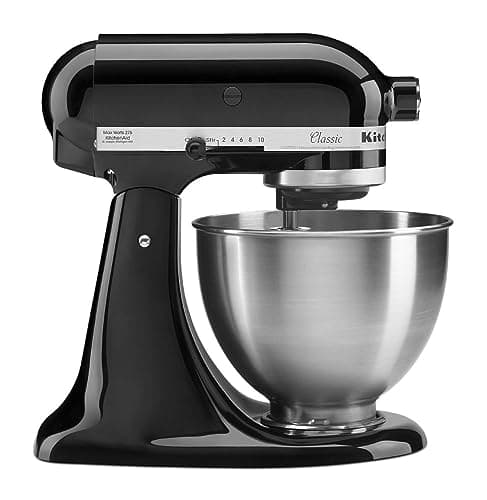
Start with the question nobody selling stand mixers wants to ask: do you need one? A stand mixer is heavy, expensive, and takes a permanent square of counter — and if you bake a few times a year, a hand mixer costing a tenth as much will do those jobs perfectly well while living in a drawer.
The honest test is bread dough and volume. If you knead yeasted dough, whip large batches of egg white or cream, or bake often enough that setting up is a chore, a stand mixer changes your kitchen. It does the work hands-free, it handles stiff dough that would burn out a hand mixer, and a good one lasts decades. If none of that describes you, buy a hand mixer and spend the difference on ingredients.
For everyone in the first group, here are five, ranked on the things that actually determine whether a mixer lasts: gearing and motor, bowl size relative to what you make, and the attachment ecosystem. Same method as everywhere on this site — published specs, materials and aggregated owner reports, not lab testing.
Do you need a stand mixer at all?
The honest test is two questions. Do you knead yeasted dough? If yes, a stand mixer is transformative — kneading by hand is ten minutes of work a machine does hands-free, and stiff dough will burn out a hand mixer. Do you bake often enough that setting up is the barrier? A mixer that lives on the counter gets used; a hand mixer in a drawer gets used less. If you answered no to both, buy a good hand mixer, keep your counter, and revisit the question in a year.
Tilt-head versus bowl-lift
Tilt-head machines hinge backwards so you can lift the head away from the bowl. They are easier to load, easier to scrape, and easier to add ingredients to mid-mix. They are also slightly less rigid, and under very stiff dough the head can shift a little. For cakes, cookies, icing and whipped cream — which is most home baking — a tilt-head is the nicer machine to live with.
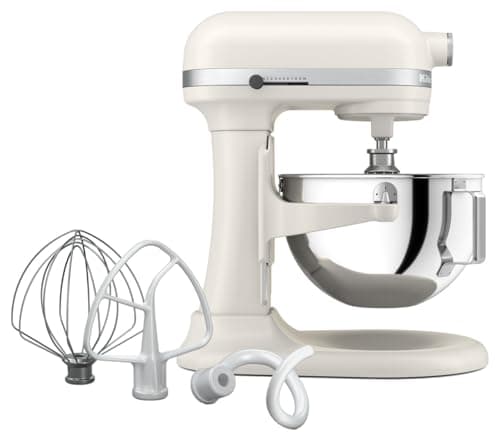
Bowl-lift machines clamp the bowl on both sides and raise it to the beater. That geometry is more rigid, which is why serious bread bakers prefer it. The trade is height, a slightly more awkward loading action, and usually more money. Buy bowl-lift if dough is a regular part of your baking, tilt-head otherwise.
Bowl size, honestly
Bowl capacity is quoted generously. A 4.5-quart bowl handles a standard cake or a batch of cookies comfortably; it gets tight with a double batch or a large bread dough. The step to 5 or 5.5 quarts is worth it if you bake in volume or for a crowd, and pointless if you do not — a mostly-empty large bowl actually whips small quantities of cream or egg white less effectively, because the beater has less contact with the contents.
The attachment hub is the hidden argument
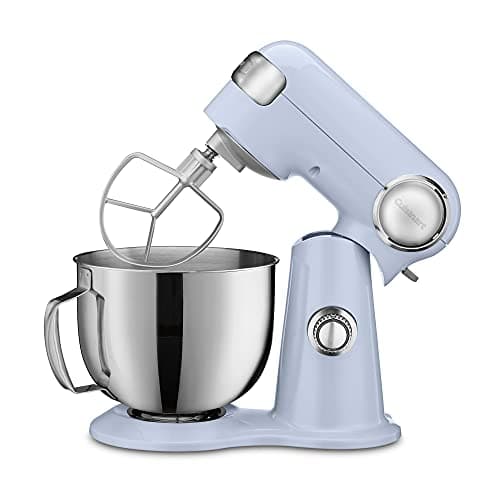
The strongest case for KitchenAid specifically is not the mixer, it is the hub on the front. Pasta rollers, meat grinders, spiralizers, ice cream bowls and grain mills all fit the same fitting, and that standard has been stable for a very long time — so attachments bought today fit a machine bought decades ago, and vice versa. Whether that matters depends entirely on whether you will use them. Plenty of people buy the ecosystem and never touch it, and for them a Cuisinart at a lower price is the better buy.
Buy for repairability
The reason we keep recommending established brands in this category is the same one that runs through our brand guide: a stand mixer is meant to last decades, and something will eventually fail. A machine whose gears, bowls and beaters you can still buy in ten years is repairable; one whose maker has moved on is disposable. That is worth more than a speed setting or a color, and it is the single most useful lens for spending money in this category.
A stand mixer is also the most-given appliance in this hub, and giving one well is a slightly different problem from buying one for yourself. The version of this list written for the person doing the buying is in gifts for keen home cooks.