“Energy efficient” is the easiest claim in this industry to make and the hardest to check, because checking it requires two numbers and manufacturers reliably publish only one of them. So this page does something simple and slightly awkward: it costs out a typical job for every appliance whose maker publishes a wattage, and it names the categories that publish nothing at all rather than quietly leaving them off.
The arithmetic is the same one we use everywhere on this site: kilowatts × hours × your rate. The rate used below is the U.S. average residential price of about $0.17 per kilowatt-hour; your bill shows yours, and the calculator on what an air fryer costs to run will redo any of these figures with your number in about ten seconds.
What we ranked on, and why it is not simply wattage
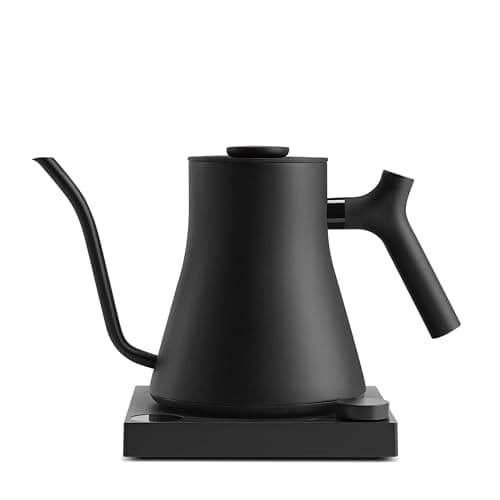
A low-wattage appliance that runs for eight hours costs more than a high-wattage one that runs for twenty minutes, which is why wattage alone ranks nothing. Two things actually matter: what one job costs, and what the alternative would have cost. An electric kettle's virtue is not that it uses little power — it is that it puts nearly all of that power into the water, while a hob burner sends most of its heat around the outside of the pan and into the room.
We also scored each appliance on whether its maker publishes enough to let you check any of this. That is not a fussy point. If you cannot find an input wattage, you cannot compute a running cost, and every efficiency claim on the box is unverifiable.
| Job | Published power × time | Cost at $0.17/kWh |
|---|
| Boil two cups in an electric kettle | 1,200 W × 3 min | ~1¢ |
| Chop and slice in a food processor | 720 W × 3 min | ~1¢ |
| Blend a smoothie | 900 W × 1 min | under 1¢ |
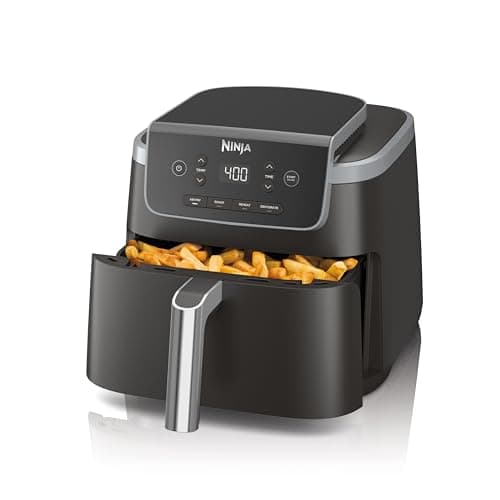
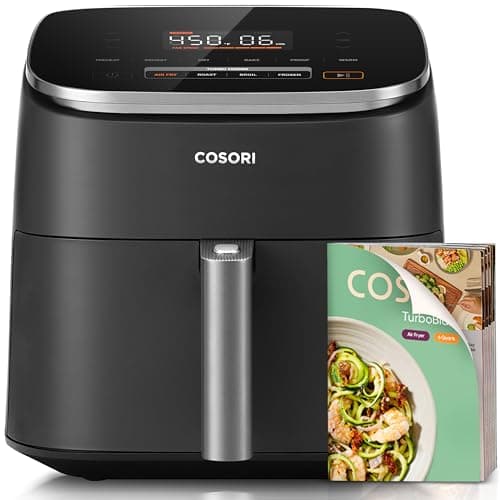
| Air fry a tray of food | 1,750 W × 20 min | ~10¢ |
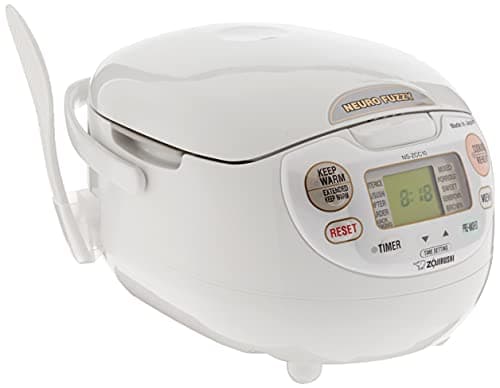
| Cook rice (maximum, see below) | 680 W × 50 min | ~10¢ |
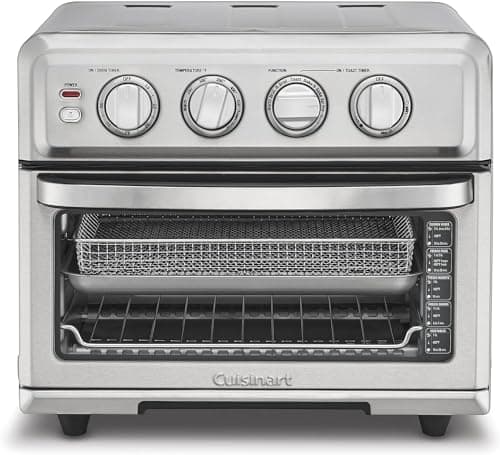
| Bake in a countertop oven | 1,800 W × 25 min | ~13¢ |
| The same tray in a full-size oven | 2,500 W × 35 min with preheat | ~25¢ |
That last row is the whole point of the countertop. Nothing on this page saves money against another small appliance in any meaningful way — the differences are fractions of a cent. What they save against is heating a large empty cavity for a small job.
The three categories that publish nothing useful
These are missing from the ranking above, and not by accident.
Microwaves publish output, not input.The “1,000 W” on the front of a microwave is cooking power delivered into the food, not power drawn from the wall — the draw is higher, and manufacturers rarely put it anywhere a shopper will see. You therefore cannot compute a microwave's running cost from its headline number, and anyone who does is comparing an output figure with the input figures used for every other appliance. What the number does mean, and how to read a microwave spec properly, is in best countertop microwaves. For what it is worth, a microwave remains the cheapest way to reheat anything wet, because it heats the food and not the box.
Slow cookers publish nothing at all. Not one of the models in our slow cooker roundupstates an input wattage on the listing. The category is widely described as cheap to run, and that is probably true — a slow cooker is a low-power heating element under an insulated crock — but “probably true” is as far as the published evidence takes it. Eight hours of an unknown draw is not a calculation, it is a guess.
Blenders publish peak watts.A “1,400 peak watt” blender does not draw 1,400 watts while it runs; peak is a momentary figure under load. Since a blender runs for about a minute, the running cost is negligible either way — under a cent — so this matters less, but it is the same disclosure problem in a category where it happens to be harmless. The NutriBullet in our blender roundup is one of the few that publishes a straight motor rating.
Where the real money is, and it is not on the counter
Be clear-eyed about scale. Every appliance here costs pennies per use. The full-size oven costs a quarter per use, the tumble dryer and the water heater cost dollars a day, and the refrigerator costs a few dollars a month simply by existing. Choosing a countertop appliance for efficiency is worth doing and it will not change your bill on its own; what changes the bill is using the small cavity instead of the large one, consistently, for jobs that fit.
The one genuine behavior change worth making is this: heat the smallest cavity that will do the job. That is the entire finding, and it is why an air fryer beats an oven, a countertop oven beats a range, a kettle beats a burner, and a microwave beats all of them for anything wet.
Five habits that cut the number further
- Skip the preheat where it does nothing. Preheating helps crisping and wastes energy on anything you are just warming through; the distinction is in how to preheat an air fryer.
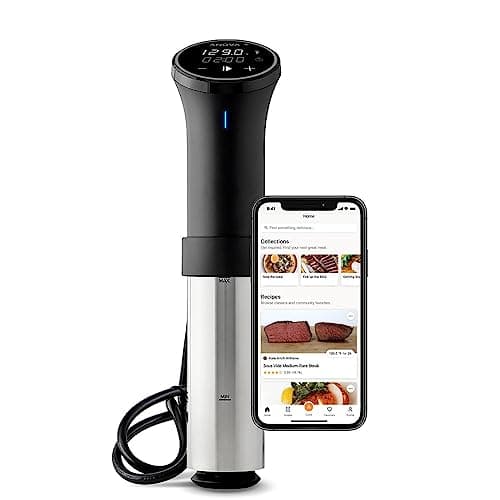
- Cover the sous vide bath. Evaporation is the hold-phase cost.
- Boil only what you need. A kettle filled to the top for one cup is the most common avoidable waste in any kitchen.
- Turn keep-warm off. Rice cookers and slow cookers will hold temperature for hours after you have eaten.
- Batch. One cavity heated once, for two meals, halves the cost of the second — the case for that, with the appliances that do it best, is in the best appliances for meal prep.
Check our arithmetic
Every figure on this page is kilowatts times hours times $0.17, using wattages the manufacturers publish. Nothing here was measured by us — we have no lab and we say so — and nothing was estimated where a number was missing. Where a maker publishes no wattage, the appliance is absent from the ranking and named in the section above. Substitute your own rate on the running-cost calculator and the whole table moves with it.