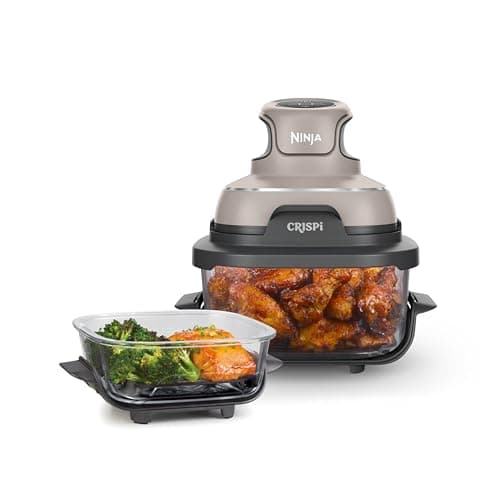
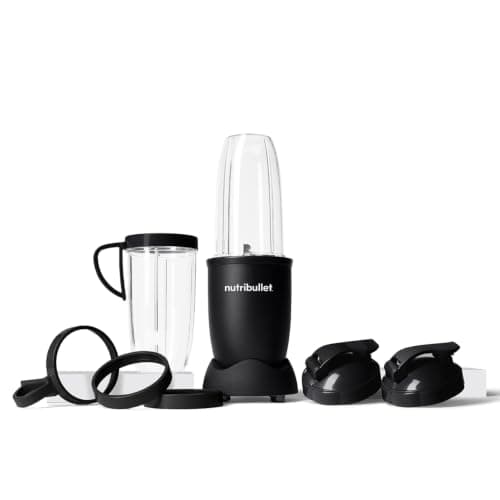
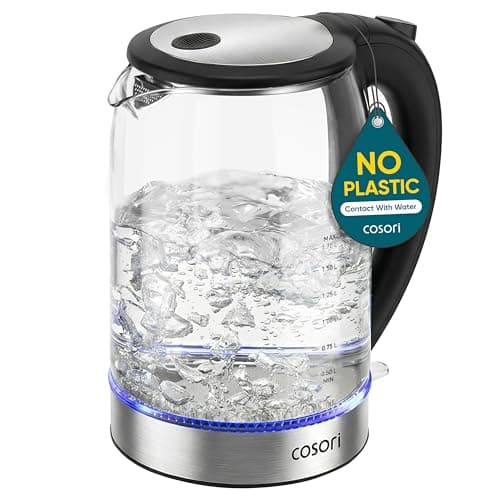
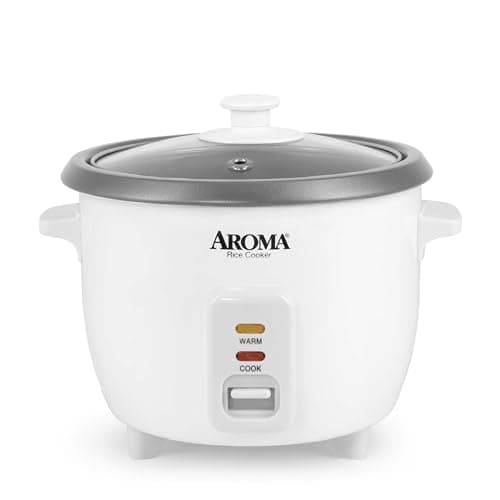
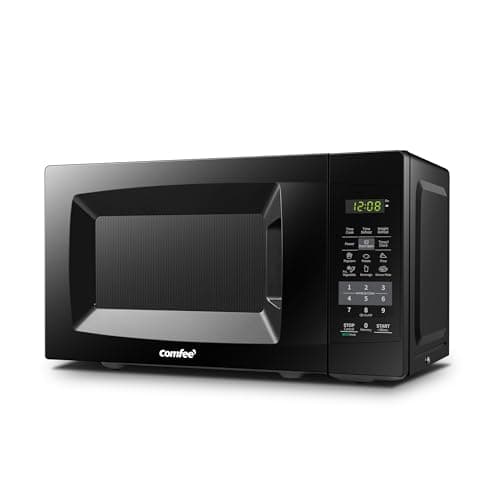
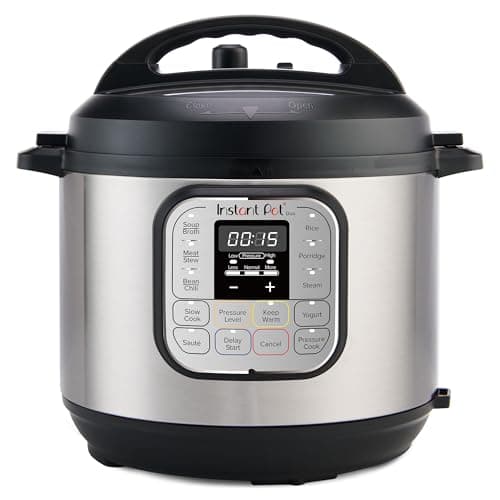
Every appliance roundup is written as if counter space were free. In a galley kitchen, a studio, a rental or a dorm it is the only thing that is not free, and it changes the arithmetic completely. A brilliant appliance that occupies a foot and a half of worktop to do one job is a worse buy, in that kitchen, than a mediocre one that does four jobs and stores in a cupboard.
So we ranked this list on a single test: how many jobs does it retire per square foot it occupies?An appliance that replaces three others earns its place. One that sits beside the things it was supposed to replace does not. And an appliance that genuinely stores away — not “could be stored”, but is light and flat enough that you actually will — gets credit for costing nothing when idle.
The rule we applied, and the one exception
The rule: an appliance earns permanent counter space only if you will use it at least twice a week, or if it retires something you already own. Everything else belongs in a cupboard or in somebody else's kitchen.
The exception is the appliance that stores genuinely flat. Weight and shape decide whether a cupboard is real storage or a graveyard. Anything you have to lift with two hands and unpack before use will be used about a fifth as often as the same machine on a counter, which is why we weight storability separately from footprint rather than treating them as the same thing.
One practical constraint before you buy anything: small kitchens often have one or two circuits running everything. Air fryers, kettles and microwaves all draw 1,000 watts and up, and running two on the same circuit is how breakers trip. The wiring argument, and why an extension cord is not the answer, is in can you plug an air fryer into an extension cord.
Three appliances we would tell you not to buy
A roundup that only recommends is not much use when the constraint is space. These are the three purchases we see small kitchens regret most.
A stand mixer, unless you bake weekly. It is the heaviest object in most kitchens and the hardest to lift out of a cupboard, which means it either owns a permanent piece of counter or it is never used. If you do bake weekly it is a wonderful thing and the ranked list is in best stand mixers — but weekly is the bar.
A full-size food processor, for the same reason plus one more: the bowl, lid, pusher and three discs all have to be stored somewhere, and in a small kitchen the storage problem is bigger than the machine. A knife and a board handle a household's worth of chopping. The case for one, if you genuinely need it, is in best food processors.
A large dual-basket air fryer, if you cook for one or two. Eight to ten quarts is the widest single object we recommend anywhere on this site, and for small households it buys capacity you will not use at a cost you pay every day. Our small air fryer roundup is the right starting point instead.
Measure before you buy, including upward
The dimension people forget is height. Almost every kitchen has a cabinet or shelf above the worktop, and every one of these appliances vents hot air upward or backward and needs a published clearance around it. An air fryer tucked under a shelf with two inches of headroom is a ventilation problem, not a clever use of space. The figures the manufacturers actually publish are in air fryer clearance and placement.
Measure depth honestly too. A machine that fits the counter but stops the cabinet door above it from opening has not fitted.
One circuit, several 1,500-watt appliances
Studio kitchens and older apartments frequently run the whole worktop from a single 15-amp circuit. That circuit supports about 1,800 watts of continuous load in total, and a single air fryer can be 1,750 of them. Running the kettle and the air fryer together is then not bad luck when the breaker goes — it is arithmetic. Stagger them, and never run either through an extension cord or a power strip.
What all of this costs to run
Almost nothing, individually. Where a manufacturer publishes a wattage you can work it out yourself: kilowatts times hours times your rate. A 900-watt blender run for a minute costs a fraction of a cent. A 1,750-watt air fryer run for 20 minutes costs about ten cents at the U.S. average residential rate. The appliances on this list that publish no wattage at all — and there are two — cannot be costed, which is a small thing but a real one; we rank the whole countertop by published running cost in the most energy-efficient kitchen appliances.
If you are furnishing from scratch
Buy in this order: kettle, microwave or air fryer (whichever matches how you actually eat), then the multi-cooker, then a blender. Everything after that should be bought in response to a problem you have actually had, not in anticipation of one. If this is a first kitchen and someone else is paying, our gifts for college students and gifts for new homeownersguides cover the same ground from the giver's side.