Roundups
Air fryers, ranked honestly
Roundups for every kind of buyer — best overall, non-toxic, and easiest for beginners — each with a comparison table, live prices, real cons, and at least one pick we tell you to skip.
We earn a commission when you buy through our Amazon links, at no extra cost to you. It never changes a verdict, and we say so when the cheaper product is the better buy. How this works.
An air fryer is a small convection oven with a fan and a basket, sold on one promise: crisp food fast, using less energy than heating your full-size oven. Most of them deliver on that. Where the buying decision actually gets made is the boring stuff nobody puts on the box — how big the basket really is, what it's coated in, how loud the fan is, and what it costs to run. That is exactly what we rank on.
Start with capacity, because it is the mistake people regret most. A 4-quart basket cooks for one or two people; it will not do a family's fries in one go, and cooking in batches is how an air fryer ends up back in the cupboard. Four or more people want 6 quarts or a dual-basket. Next is what touches your food: most baskets are nonstick-coated (PTFE), and if that bothers you, glass, ceramic, and stainless options exist — that is a real, checkable material difference, and we cover it in the non-toxic roundup. Then there is the thing every competitor leaves out entirely: running cost. A 1,500-watt air fryer for 20 minutes uses about 0.5 kWh — roughly eight or nine cents at the national average rate, and a fraction of what your oven would draw for the same job. We publish that math on every page.
Price is the least useful signal here. The workhorse models most people should buy sit between $70 and $130; spending more buys you a bigger basket, a nicer screen, dual zones, or a stainless build — not necessarily better fries. Spending less than about $50 usually buys you a tiny basket and a fan that sounds like a hair dryer. So skip the two extremes unless you have a specific reason. If you just want the answer, the best air fryers roundup is the shelf we'd buy from; if you're brand new to this, the beginner roundup favors the simplest, most forgiving models. And if you're still deciding whether you even need one, our air fryer vs convection oven comparison settles it with numbers, not vibes. And if you already know which machine you want and are only waiting on the price, our air fryer deals page carries live, date-stamped prices plus what a fair price actually looks like at each basket size.
Because size and format decide most of this, we split the roundups the way people actually shop. If you cook for one or two, or the counter is full, the small air fryer picks cover the compact machines worth owning. Feeding four or more, the large roundup runs through all three routes to family capacity — one big basket, two independent zones, or a countertop oven. If two zones is the format you want, the dual-basket roundup ranks them on the number that matters, which is the size of each individual basket rather than the headline total. And if price is the constraint, the budget picks are ranked by which corner each machine cut — because some savings you'll never notice and one of them will cost you the habit.
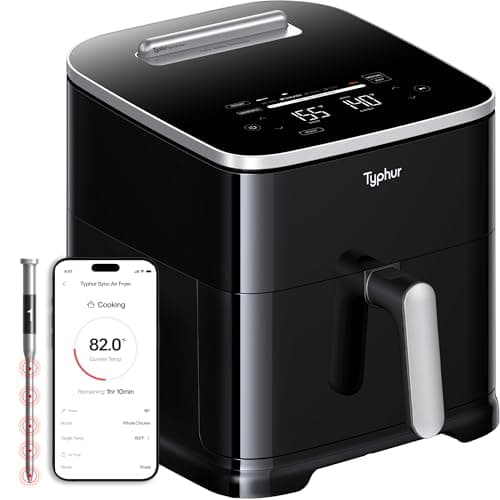
Four more roundups cover the decisions people make once size is settled. Noise is the complaint that shows up in owner reviews and never on a spec sheet, so the quietest air fryers ranks on the mechanical facts that actually decide it — DC versus AC motors, variable fan speeds, and format — rather than on decibel claims nobody can reproduce. Air fryers with a window is the same discipline applied to visibility: a window is only worth paying for if there is an interior light behind it, and we say which ones have one. Smart air fryers separates the connectivity that changes your food — a wireless temperature probe — from the recipe libraries that do nothing. And the best air fryers to give as a gift sorts the field by budget, chosen on footprint, setup and the odds it gets kept rather than on specifications. If you would rather start from the person than the price, our kitchen gift guides split the whole catalog by recipient — students, new homeowners, busy families, keen cooks — and our Black Friday and Cyber Monday page covers which of these classes are genuinely worth waiting until November for.
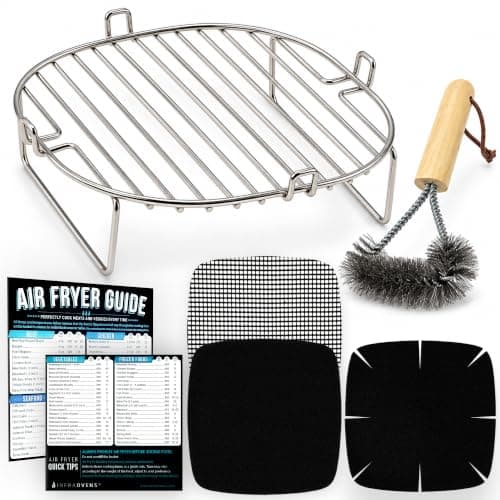
Once you own one, the add-ons are their own minefield. The air fryer accessories worth buying is a short list — a rack, a thermometer, an oil mister and the right liners — and it is blunt about the thing accessory brands never mention: a solid liner blocks the perforated base your machine crisps through, so most people are quietly making their food worse.
Two newer roundups cover the questions the spec sheets are worst at answering. Air fryers with presets that actually do something separates the four programmed functions worth paying for — a low temperature floor, a finishing burst, a shake reminder, real element staging — from the nine saved dial positions printed on the box. And the best air fryers with a rotisserie covers the one accessory that changes the cooking rather than the convenience: a spit that self-bastes a chicken, and a tumbling basket that shakes your chips for the whole cook.
Two newer roundups answer questions the general list cannot. The best air fryers for frozen food ranks on the one thing frozen food actually needs — how much of it fits in a single layer — rather than on quarts, because a deep basket steams what a wide one crisps; it also publishes watts per quart for the two makers here who state a wattage at all. And the best air fryers for seniors is ranked on ease and nothing else: dials that can be read and felt rather than a flat touch panel, baskets you are not carrying at arm's length, and the one format that never asks you to lift something hot out of a machine.
One honest note on how we work: we have not lab-tested these machines. We compile the manufacturers' published specifications, read the manuals, work out the electricity cost ourselves, and weigh that against thousands of owner reviews. Every pick carries a plain reason and a “don't buy this if…” line, because the fastest way to lose your trust is to pretend a product is right for everyone.
Two newer pages answer questions the roundups above do not. The best air fryer for chicken wings ranks on published maximum temperature and on whether the design lifts the wings clear of the fat they render — a geometry question the quart rating cannot answer. And the best air fryer for baking covers the job this category is worst at, ranked on the published minimum temperature each maker will admit to, with the honest note that most of them publish none at all.
The newest page in this hub is ranked on a number the rest of the category treats as a boast. The best air fryer for french fries ranks on usable basket floor and on whether you can run a soft stage and a hot stage without waiting — and it is the one food page where a 450°F ceiling counts against a machine, because the FDA's own potato guidance is to stop at a golden yellow rather than push for colour.
The newest page in this hub ranks on the part of ownership nobody puts on a spec sheet. The easiest air fryers to clean ignores the “dishwasher-safe basket” claim every box now carries — it covers one of the five surfaces that get dirty — and scores six machines on the crisper plate, the basket shell, the number of parts that come out and how reachable the heating element is. The one row doing all the work is material: glass is the only food-contact surface here you are allowed to scrub.
The most recent addition to this hub is the one that answers the question people actually type. The best value air fryers ranks on price-to-performance as a calculation rather than a feeling: published watts per quart, both ends of the published temperature range, and the warranty in years. It also kills the myth that expensive machines are cheaper to run — across six picks the whole electricity spread is about three dollars a year — and names the four upgrades that cost money and change nothing that comes out of the basket.
Everything in this hub
All air fryers
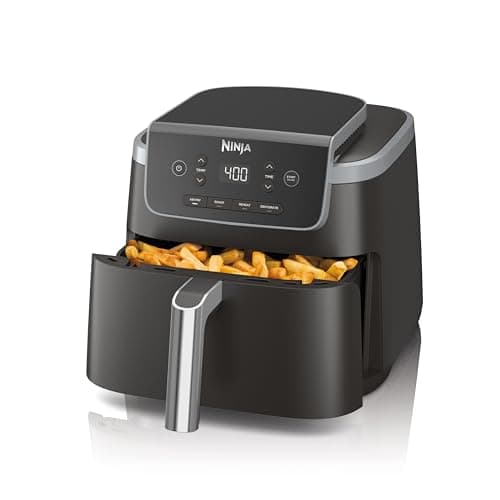
Roundup
The best air fryers of 2026, ranked honestly
Seven picks from compact to 8-quart family, ranked on capacity, materials and running cost — with the one to buy first and the one to skip.
7 picks compared
See all picks →Top pick: Ninja Air Fryer Pro 4-in-1 (AF141)
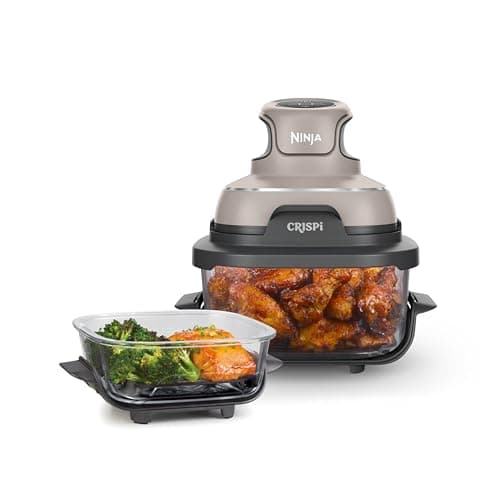
Roundup
The best non-toxic air fryers, chosen by what touches your food
Six coating-free picks — glass, PFAS-free ceramic and stainless — ranked on the material claim, capacity and value, led by a true glass model.
6 picks compared
See all picks →Top pick: Ninja Crispi 4-in-1 Glass Air Fryer
Roundup
The best air fryers for beginners, ranked by how hard they are to get wrong
Five forgiving, easy-to-use picks ranked on simplicity first — from the simplest budget dial-model to a see-through basket that teaches you timing.
5 picks compared
See all picks →Top pick: Ninja Air Fryer Pro 4-in-1 (AF141)
Roundup
Air fryer deals, and how to spot a fake one
Live prices on seven air fryers worth buying, plus the part deal blogs skip: what a fair price is per size, and how to tell a real discount from an inflated list price.
7 picks compared
See all picks →Top pick: Ninja Air Fryer Pro 4-in-1 (AF141)
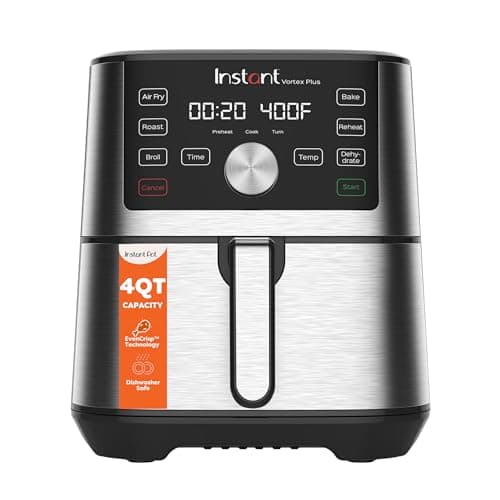
Roundup
The best small air fryers for one, two, and very little counter
Six compact picks for one or two people, ranked on footprint versus usable capacity — including the smallest one we'd still recommend.
6 picks compared
See all picks →Top pick: Instant Vortex Plus Mini 4 Qt
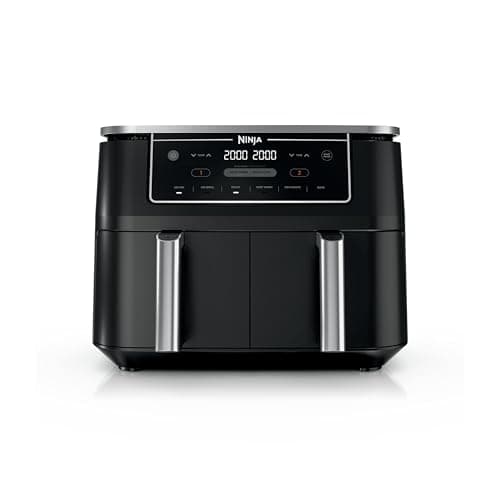
Roundup
The best large air fryers for feeding four or more
Six family-sized machines across three formats, with the capacity math that stops you buying the wrong shape of 10 quarts.
6 picks compared
See all picks →Top pick: Ninja Foodi 10 Qt DualZone (DZ302)
Roundup
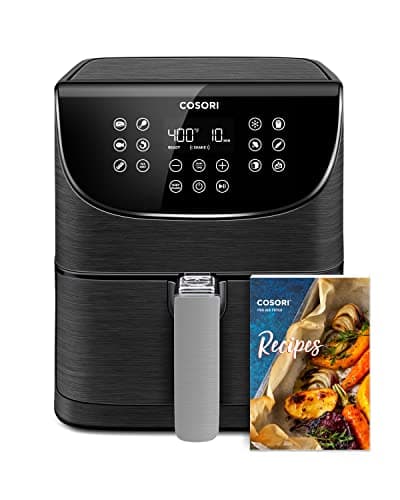
The best budget air fryers, and the corners not worth cutting
Six inexpensive machines ranked by what they give up to get there — plus the one saving that always turns out to be a false economy.
6 picks compared
See all picks →Top pick: Cosori Pro Gen 2 5.8 Qt
Roundup
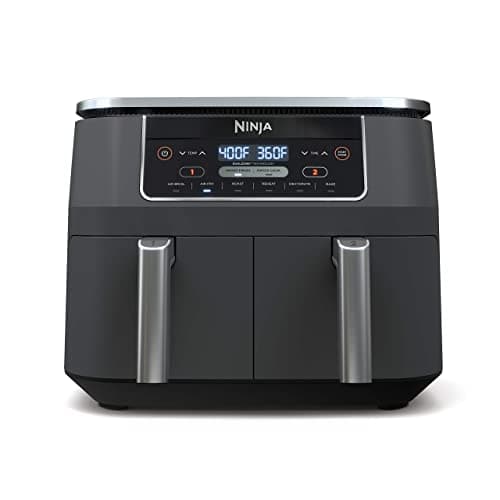
The best dual-basket air fryers, ranked by what the second zone gets you
Six two-zone machines ranked on the number that matters — the size of each individual basket — plus a coating-free option and one that converts to a single space.
6 picks compared
See all picks →Top pick: Ninja Foodi 6-in-1 DualZone (DZ201)
Roundup
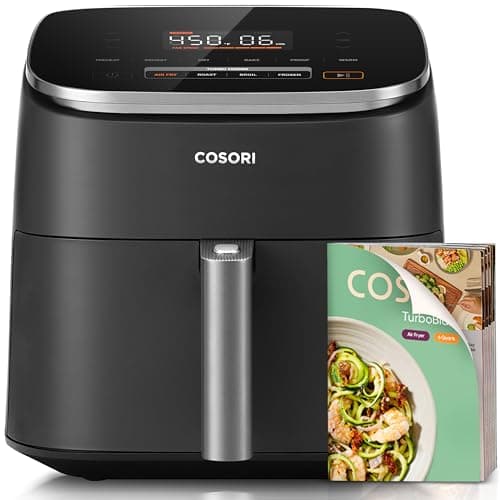
The quietest air fryers, and how to tell before you buy
Six picks ranked on the mechanical facts that decide noise — motor type, fan speed control and format — instead of unverifiable decibel claims.
6 picks compared
See all picks →Top pick: Cosori TurboBlaze 6 Qt (9-in-1)
Roundup
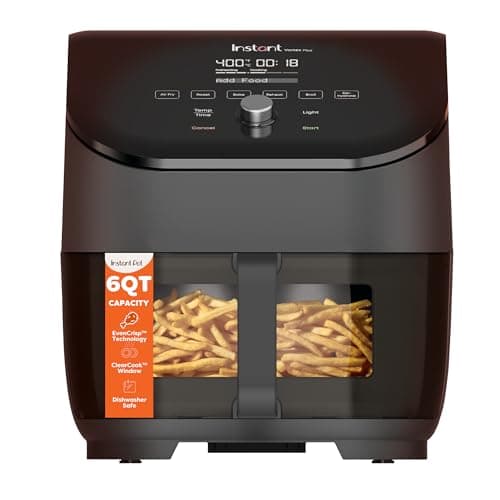
The best air fryers with a window
Seven see-through picks ranked on window size, interior lighting and whether the view survives a greasy cook — with live prices and honest cons.
7 picks compared
See all picks →Top pick: Instant Vortex Plus ClearCook 6 Qt
Roundup
The best air fryers to give as a gift
Seven gift picks from a sub-$60 first air fryer to a buy-it-once splurge, chosen on setup, footprint and the odds it gets kept — with live prices.
7 picks compared
See all picks →Top pick: Ninja Air Fryer Pro 4-in-1 (AF141)
Roundup
The air fryer accessories actually worth buying
Seven accessories that solve a real air fryer problem, ranked — plus the honest warning about liners blocking the airflow your machine depends on.
7 picks compared
See all picks →Top pick: Air Fryer Accessories Set with Stainless Rack and Brush
Roundup
The best smart air fryers, and which app features are real
Seven connected air fryers ranked on whether the app does real work — remote control, wireless probes, scheduling — with an honest note on what happens when the servers go away.
7 picks compared
See all picks →Top pick: Typhur Sync 8 Qt Smart Air Fryer
Roundup
The best air fryers with presets that actually do something
Six machines ranked on whether their presets encode something real — a low-temperature floor, a finishing burst, a shake reminder — rather than a saved dial position.
6 picks compared
See all picks →Top pick: Cosori TurboBlaze 6 Qt (9-in-1)
- Roundup
Roundup
The best air fryers with a rotisserie
Five oven-style machines with a genuine rotisserie spit, ranked on capacity, accessories and what the spin is actually for — with live prices.
5 picks compared
See all picks →Top pick: Cosori Air Fryer Oven 13 Qt (11-in-1, Rotisserie)
Roundup
The best air fryers for frozen food
Ranked for frozen fries, nuggets and pizza on single-layer capacity rather than quarts - with a frozen-food temperature chart and an honest note on the specs makers will not publish.
6 picks compared
See all picks →Top pick: Ninja Foodi 6-in-1 DualZone (DZ201)
Roundup
The best air fryers for seniors
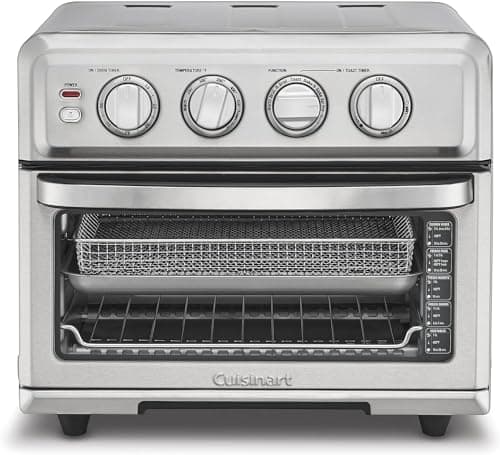
Air fryers ranked for ease rather than features - dials over touchscreens, light baskets over big ones, and formats that never ask you to lift something hot.
6 picks compared
See all picks →Top pick: Cuisinart Air Fryer Toaster Oven (Stainless)
Roundup
The best air fryer for chicken wings
Six air fryers ranked for wings on maximum temperature and fat drainage - the two things that decide crisp skin - with live prices and the USDA temperature that decides when they are done.
6 picks compared
See all picks →Top pick: Cosori TurboBlaze 6 Qt (9-in-1)
Roundup
The best air fryer for baking
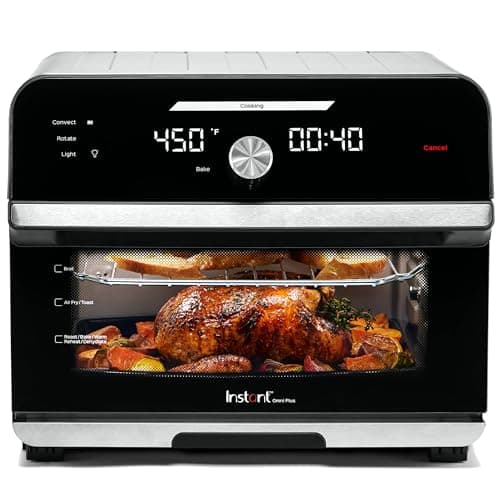
Six machines ranked for baking on published minimum temperature, flat shelf space and element distance - plus the honest answer about whether a basket air fryer can bake at all.
6 picks compared
See all picks →Top pick: Instant Omni Plus 19 Qt / 18 L Toaster Oven Air Fryer
Roundup
The best air fryer for french fries
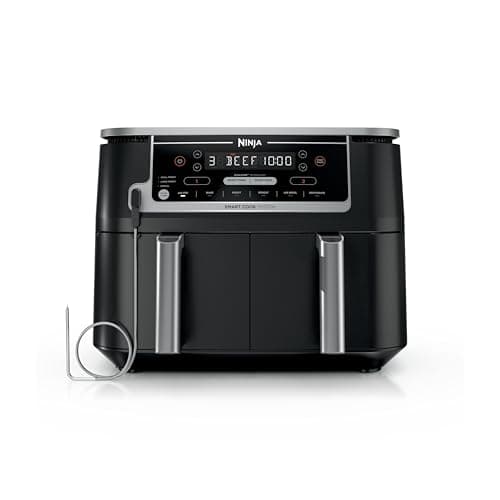
Six air fryers ranked for fries on single-layer floor area and whether you can run a soft stage and a crisp stage, with the FDA's golden-not-brown guidance and live prices.
6 picks compared
See all picks →Top pick: Ninja Foodi 10 Qt DualZone Smart XL (DZ550)
Roundup
The easiest air fryers to clean, ranked
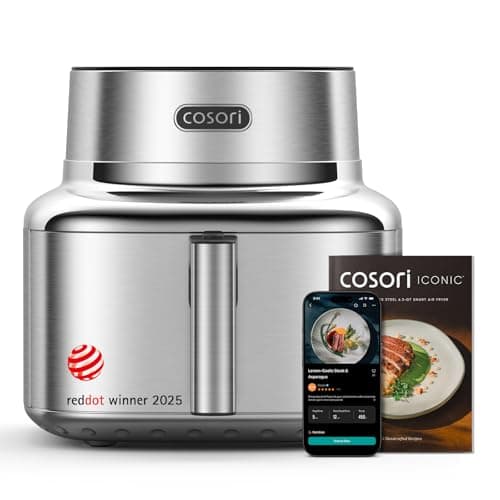
Six air fryers ranked on the cleaning that the dishwasher-safe claim never covers — the crisper plate, the basket shell, and the element you cannot put in a sink.
6 picks compared
See all picks →Top pick: Cosori Iconic 6.5 Qt Stainless Steel
Roundup
The best value air fryers, and what price-to-performance actually measures
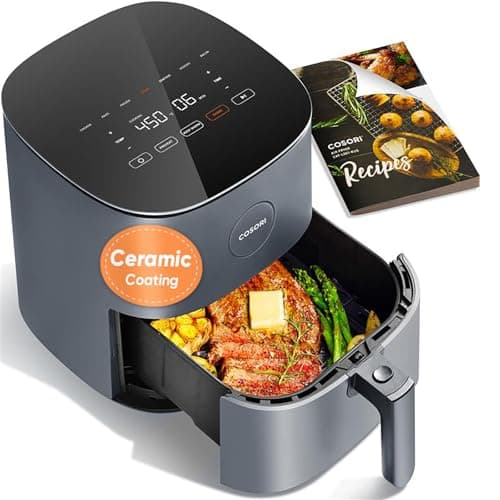
Six air fryers ranked on published watts per quart, temperature range and warranty — the three figures that decide price-to-performance, plus the running-cost math that shows which number is a red herring.
6 picks compared
See all picks →Top pick: Cosori Pro LE 5 Qt (Ceramic)