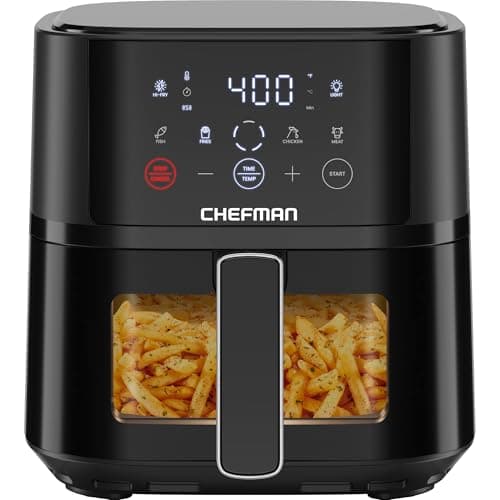
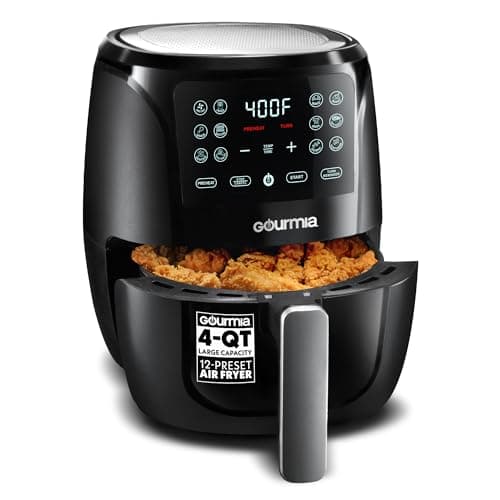
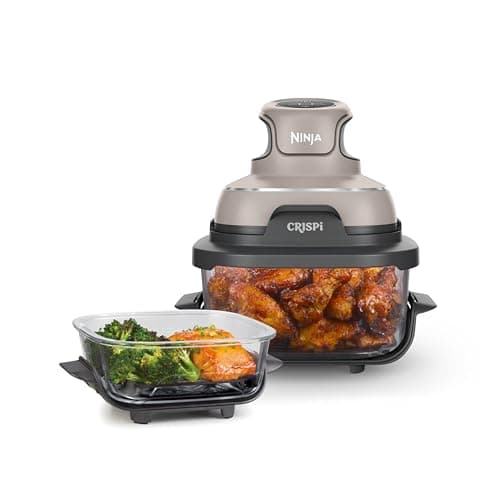
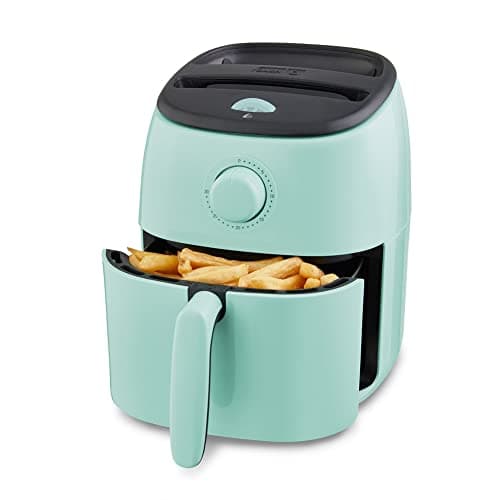
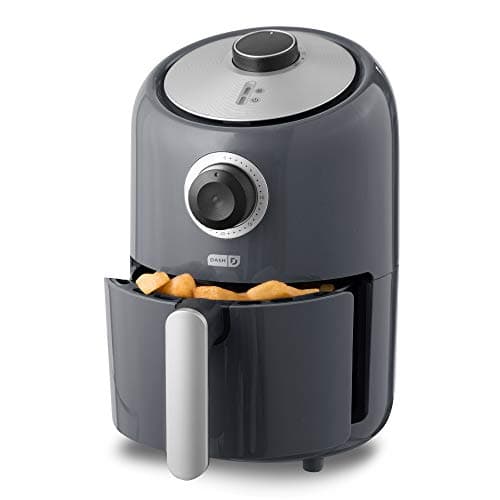
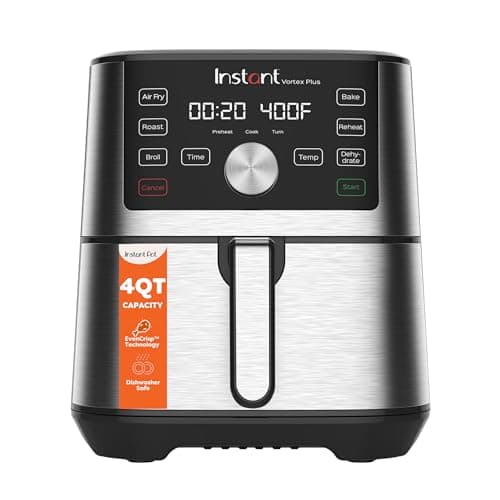
Small air fryers are bought for two different reasons, and the machines that suit each are not the same. Some people want a small machine because the counter is full. Others want a small portion because they cook for one. If you are in the first group, a taller 4-quart machine with a modest footprint is usually better than a wide 2.6-quart one. If you are in the second, the smallest thing that fits your dinner is genuinely enough.
The trap in this category is buying too small to save thirty dollars and then discovering that a “2-quart” basket does one portion of chips in a single layer. We have ranked these on usable capacity against footprint, not on the quart number alone, and every entry says plainly who it is not for. If you are unsure which bracket you are in, start with what size air fryer you need — it maps household size to capacity in real food terms.
Everything here is a basket machine. If your space problem is that you already own a toaster oven, the answer may be one appliance instead of two — see the toaster-oven roundup.
Footprint is not the same as capacity
The instinct when counter space is tight is to buy the smallest quart number available. That is often the wrong move, because the relationship between external size and internal capacity varies a lot. Some 4-quart machines are barely wider than a 2.6-quart one — they are simply taller, and height is usually the dimension you have spare. Before you buy on quarts, check the external dimensions against the actual gap on your counter and the height under your wall cabinets. You will often find you can fit a considerably more useful machine than you assumed.
The 4-quart line
There is a real step-change at four quarts. Below it, you are cooking single portions and sides. At four quarts you can cook dinner for two in one layer, which is the difference between an appliance you use most days and one you use occasionally. If the counter can take it and the budget stretches, four quarts is where we would spend. The whole top half of this list sits there for that reason.
Small baskets and the overcrowding problem
Compact machines make it very easy to do the one thing that ruins air-fried food: piling it up. A normal-looking portion of chips is already more than a single layer in a 2.6-quart basket, and the result is steamed rather than crisped. Cook less per batch than feels natural, shake halfway, and small machines perform perfectly well. If your food is coming out pale, work through our not-crisping troubleshooter before blaming the machine.
Clearance still applies
A common small-kitchen mistake is tucking a compact machine into an alcove or pushing it back against a wall to reclaim an inch. Air fryers vent hot air from the back and need clearance to do it — the figure is in your manual, and ignoring it makes the machine work harder and cook worse. Our how-to-use guide covers this properly. If the only place a machine fits is a place with no clearance, that is a sign to buy something smaller rather than to squeeze.
What you give up going small
Three things, honestly. Dual zones — nothing in this size range offers two independent baskets, so if cooking two foods at once matters, you are in the wrong category and want the dual-basket roundup. Large single items — no compact basket takes a whole chicken. Refinement — the quietest, best-built machines in this category are mostly 5 quarts and up, as the main roundup shows. If none of those matter to you, small is not a compromise; it is just the right size.
Small is often a proxy for one of two other questions. If the real constraint is handling — dials rather than a touch panel, and a basket light enough to lift one-handed — the best air fryers for seniors ranks on exactly that. If it is counter space across the whole kitchen rather than this one appliance, the best appliances for small kitchens ranks everything on jobs retired per square foot.
How we picked
We did not lab-test this gear
Everyone in this category says they tested twenty air fryers. We have not lab-tested any of these, and we say so. What we did instead: compiled the published specifications — wattage, capacity, materials — worked out what each machine actually costs to run at the national electricity rate, read the manuals and owner reviews, and scored each one against a published rubric. The scores are judgments from documented research — not measurements we took, because we do not have a lab and we will not pretend we do. Where a number came from someone else's work, we name them in Sources.