A housewarming gift has an unusual advantage: you already know the recipient needs things. A new kitchen is a list of gaps, and the appliances that fill them are exactly the purchases people postpone because there is a sofa to buy. Give one of those and you are not adding to the clutter — you are crossing something off.
What we weight here is different from the student page. Space is usually less tight and the horizon is much longer, so the ranking favors longevity and parts supply over footprint. The single most useful question to ask about a countertop appliance is whether you will still be able to buy a replacement gasket, bowl or carafe for it in five years. That one test separates the machines that become fixtures from the ones that become landfill, and it is why the picks below lean towards boring, widely-supported models rather than the newest thing.
A practical note on gifting into a kitchen you have not seen: outlets and counter run are the two things you cannot guess. If you are giving anything that heats, our clearance and placement guide covers the space these machines actually need around them, which is more than most people assume. And if the house is still mid-move, a gift receipt is not an insult — it is the difference between a machine that fits and one that goes back.
The five-year test
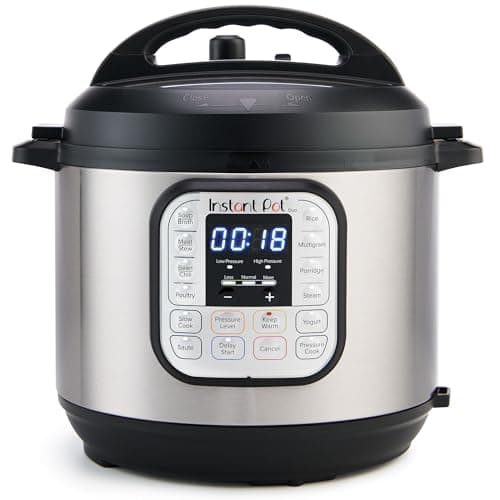
Ask one question of any countertop appliance before you gift it: will the consumable parts still be available in five years? Gaskets, carafes, inner pots, bowls and blades are what fail first, and a machine you cannot re-part is a machine with an expiry date. This is the reason the Instant Pot Duo scores so well here despite being the least exciting object on the page — its sealing rings and spare pots are stocked everywhere, indefinitely. It is also why we are cautious about gifting the newest model in any line: a product that has been sold in volume for years has a parts supply, and a product launched last quarter does not yet.
Don't duplicate — ask, or give the gap
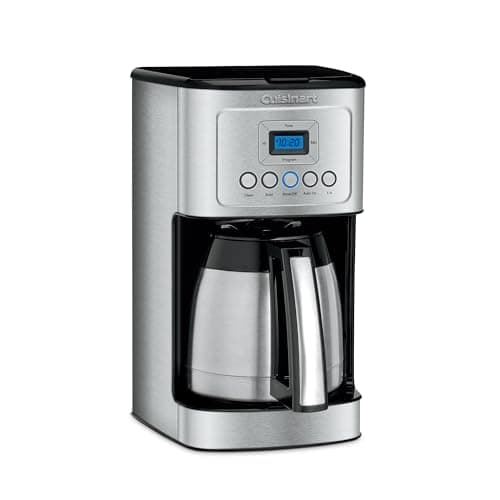
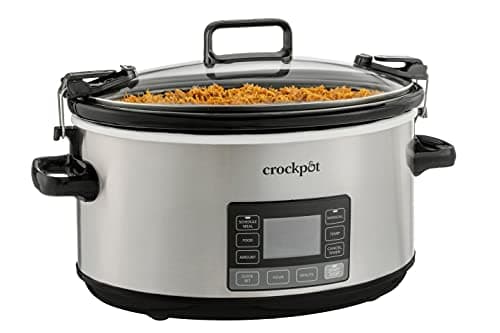
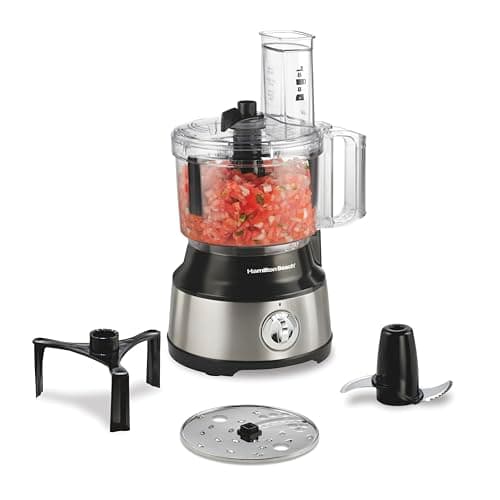
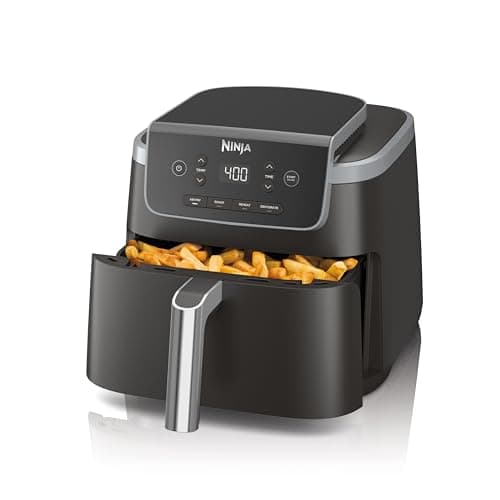
The most common housewarming miss is buying the thing they already have. Air fryers and coffee makers are the two most frequently duplicated appliances, simply because they are the two most frequently owned. If you cannot ask directly, the safer categories are the ones people postpone: a food processor, a proper thermal coffee maker, a slow cooker large enough for guests. Those fill gaps rather than competing with something already on the counter.
Measure nothing, but check the outlets
You cannot measure someone else's counter, but you can reason about their electricity. Most of these machines draw real current, and a new kitchen often has fewer usable outlets than it looks. Our extension cord guide works through the arithmetic — watts divided by volts gives amps — and the short version is that heating appliances want a wall socket, not the strip behind the toaster. Our clearance guide covers the other half: manufacturers ask for space on all sides, not just behind.
When to give the boring version on purpose
There is a real temptation to gift up — the nicer finish, the extra functions, the model with the screen. For a housewarming it is usually the wrong instinct. A new homeowner is absorbing a lot of new objects, and the appliance most likely to survive the first year is the one that needs no learning. Spend the difference on capacity or on parts availability rather than on features, and the gift lasts longer.
How we picked
We did not lab-test this gear
Everyone in this category says they tested twenty air fryers. We have not lab-tested any of these, and we say so. What we did instead: compiled the published specifications — wattage, capacity, materials — worked out what each machine actually costs to run at the national electricity rate, read the manuals and owner reviews, and scored each one against a published rubric. The scores are judgments from documented research — not measurements we took, because we do not have a lab and we will not pretend we do. Where a number came from someone else's work, we name them in Sources.