Seven jobs, seven machines, every one of them under a hundred dollars at the last price check. This is the bracket where a countertop kitchen gets built — and where several categories hit their ceiling of useful rather than their ceiling of price.
We earn a commission when you buy through our Amazon links, at no extra cost to you. It never changes a verdict, and we say so when the cheaper product is the better buy. How this works.
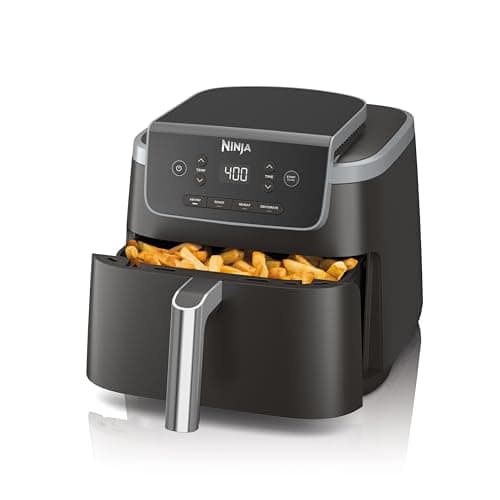
Start with the Ninja Air Fryer Pro 4-in-1 (AF141). If you are building a counter from nothing, it is the appliance that changes the most meals for the least money — five quarts, 1,750 published watts, and the machine we recommend first on the whole site. It suits two to four people. The budget pick is the Cosori 1.7 L Stainless Kettle: the cheapest thing on this page, with no plastic anywhere in the water path, and the appliance you will use most days. If you cook from raw rather than reheat, swap the order and buy the Instant Pot Duo 6 Qt at number two first.
A hundred dollars is a strange ceiling in countertop appliances, because it is not the same kind of ceiling in every category. In some — kettles, slow cookers, toasters — it is well above the point where more money stops buying anything. In others — stand mixers, espresso machines, cold-press juicers — it is below the floor of a machine we would recommend at all. So this page is organized by job, with one pick per job, and it says plainly which jobs you simply cannot buy at this price.
The jobs $100 covers properly
Boiling water. The ceiling of useful here is about thirty dollars. A stainless water path, a Strix controller and auto shut-off is the whole specification; the dearer machines add temperature control, which matters for tea and coffee and nothing else. Our full ranking is here.
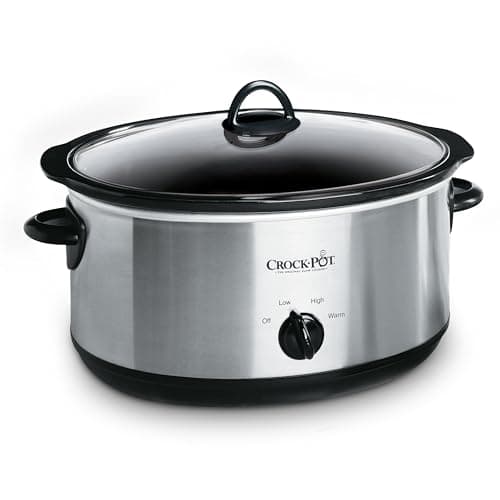
Slow cooking. Three settings and a removable stoneware insert, for under fifty dollars. Nothing a $300 slow cooker does changes the food — see the slow cooker roundup.
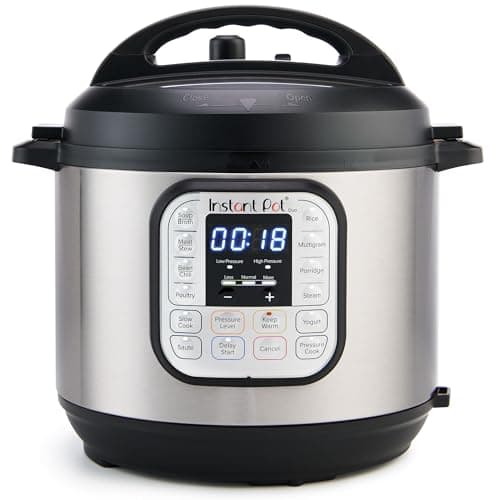
Pressure cooking. The six-quart Instant Pot Duo at ninety dollars is the household standard, with a bare stainless inner pot. This is a genuine bargain rather than a compromise.
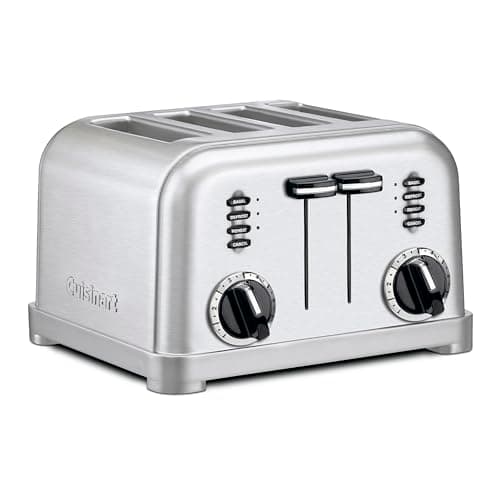
Toasting. A four-slice metal machine with a three-year warranty sits under sixty dollars.
The jobs it does not
Three categories we rank elsewhere have no pick under a hundred dollars that we would stand behind. Stand mixers — the cheapest machine with metal gearing is well above it, and a plastic-geared mixer is a machine you replace rather than keep. Espresso machines — nothing under $100 holds a brew temperature, and our cheapest pick is about $150. Cold-press juicers — the format starts around $120.
We have not lab-tested any of this gear, and how we review says exactly what we did instead: read the published specifications, worked out the running costs from published wattages where makers print them, and weighed those against aggregated owner reports. Where a maker publishes no wattage we quote no running cost.
There is one ceiling below this one. The best kitchen appliances under $50 takes the same one-pick-per-job approach at half the budget, and names the five categories — pressure cookers, food processors, stand mixers, espresso machines and microwaves — that only become buyable on this page.
The appliance that changes the most meals per dollar, and the first thing we would put on an empty counter. Five quarts, 1,750 published watts across them, a 400°F ceiling and four functions. It reheats better than a microwave, crisps better than an oven and costs under a dime a cook.
The most capable single machine under a hundred dollars, and the one that covers the most different jobs. Six quarts, a bare stainless inner pot, and pressure cook, slow cook, sauté, steam, rice and yogurt in one vessel. It is the household standard for a reason, and the price is the surprise.
The clearest case on this page that more money buys nothing. Seven quarts, three settings, a removable stoneware insert that goes in the dishwasher — and a price under fifty dollars. A $300 slow cooker does not cook better; it adds a timer and a nicer shell.
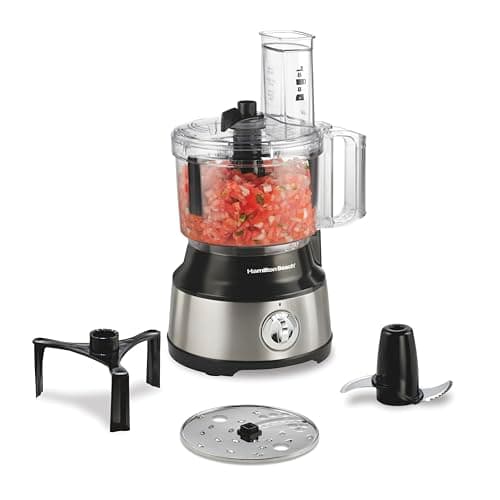
A quarter of the price of the premium machines for most of the capability. Ten cups, slicing and shredding discs, a built-in bowl scraper and dishwasher-safe parts. What you give up against a Breville or a Cuisinart is an adjustable slicing disc and build quality, not the ability to chop an onion.
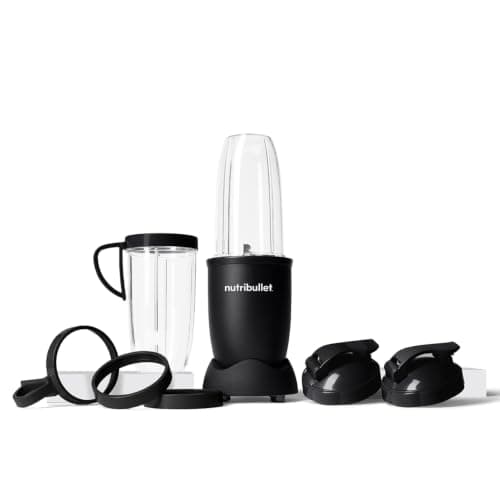
The cheapest route to genuinely smooth smoothies, and the blender for anyone whose real objection to blenders is the washing up. You blend and drink from the same cup, it is small enough to leave out permanently, and 900 watts handles frozen fruit. It is not a soup or nut-butter machine.
Four slots at 450 watts each, which most four-slice toasters do not manage, plus two independent control panels so two people toast two different things at once. A published three-year warranty — the longest in the category — and a brushed stainless housing on a long-running chassis.
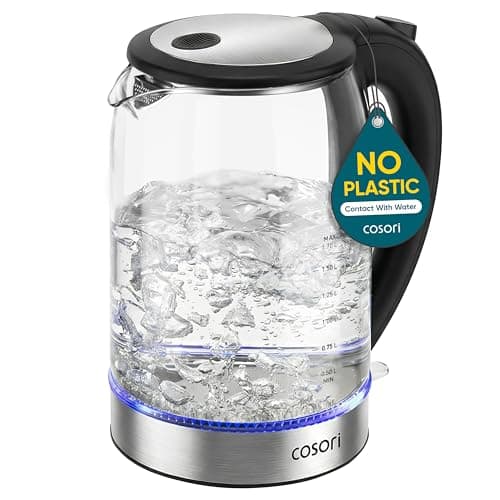
The budget pick — the cheapest thing on this page, and the one you will use most days. Spout, inner lid and filter are all 304 stainless, so nothing plastic touches boiling water, and a Strix controller handles auto shut-off and boil-dry protection. Around three minutes for two cups.
#ad · Live prices from the Amazon Product API, as of November 19, 2026. Where we have no verified live price, we show none — a gap beats a number that has rotted.
The appliance that changes the most meals per dollar, and the first thing we would put on an empty counter. Five quarts, 1,750 published watts across them, a 400°F ceiling and four functions. It reheats better than a microwave, crisps better than an oven and costs under a dime a cook.
Jobs covered
8
Build
7
Ease
9
Value
9
Price headroom
8
Pros
+5-quart basket suits two to four people without batch cooking
+Publishes 1,750 W, so running cost is arithmetic: about 8-9 cents for a 20-minute cook
+350 watts per quart — the fastest recovery of any single basket we track
+The most widely stocked machine here, so replacement baskets stay findable
Cons
−PTFE nonstick basket, where a ceramic Cosori costs about the same
−400°F ceiling, where several rivals publish 450°F
−One basket, one temperature at a time
Don't buy this if…
…you cook from raw far more than you reheat — the Instant Pot below is the better first purchase in that kitchen.
The most capable single machine under a hundred dollars, and the one that covers the most different jobs. Six quarts, a bare stainless inner pot, and pressure cook, slow cook, sauté, steam, rice and yogurt in one vessel. It is the household standard for a reason, and the price is the surprise.
Jobs covered
10
Build
8
Ease
7
Value
9
Price headroom
7
Pros
+Bare stainless inner pot — nothing coated touching acidic food for hours
+Six quarts is the household sweet spot, and it fits a 4 lb roast
+Sealing rings and spare pots are stocked everywhere, for years
+Controls are simple enough that people actually keep using it
+Replaces a slow cooker, a rice cooker and a steamer on a small counter
Cons
−Browning in it is slower and less effective than in a pan
−The learning curve is real for the first week
−It is a tall machine — check cabinet clearance if it lives under one
Don't buy this if…
…you only ever wanted slow cooking. A dedicated slow cooker is half the price and simpler — the Crock-Pot below.
The clearest case on this page that more money buys nothing. Seven quarts, three settings, a removable stoneware insert that goes in the dishwasher — and a price under fifty dollars. A $300 slow cooker does not cook better; it adds a timer and a nicer shell.
Jobs covered
5
Build
8
Ease
10
Value
9
Price headroom
10
Pros
+Nothing to go wrong — three settings and a dial
+7 quarts fits a 6-lb roast or a whole chicken with vegetables
+Removable stoneware insert goes in the dishwasher
+Among the cheapest machines on this page, with huge headroom under the ceiling
Cons
−No timer, so it will not shift to warm on its own
−Stoneware is heavy, and a full insert is a two-handed lift
−No published wattage, so we quote no running cost — though slow cookers draw very little
Don't buy this if…
…you are out all day and need it to stop. That is exactly what a programmable model fixes, and it costs about twice as much.
10-cup bowlSlicing and shredding discsBowl scraperStainless body
7.4/10
A quarter of the price of the premium machines for most of the capability. Ten cups, slicing and shredding discs, a built-in bowl scraper and dishwasher-safe parts. What you give up against a Breville or a Cuisinart is an adjustable slicing disc and build quality, not the ability to chop an onion.
Jobs covered
7
Build
6
Ease
8
Value
8
Price headroom
8
Pros
+A quarter of the price of the premium machines in this category
+Ten cups is genuinely useful capacity at this money
+The built-in bowl scraper saves a step people actually resent
+Dishwasher-safe bowl, lid and discs
Cons
−Fixed-thickness slicing disc rather than an adjustable one
−Plastic bowl and lid, which cloud over years of dishwasher cycles
−Noticeably louder than the premium machines
Don't buy this if…
…you slice a lot and care about thickness. That is the one feature worth paying up for, and it starts well above this ceiling.
It sits third on the food processor roundup, behind two machines that cost three to five times as much. Blender versus food processor is worth reading first if you are not sure which of the two you need — most people asking for a food processor want a blender, and the other way round.
900 W motorBlend-in-cup designCompact footprintDishwasher-safe cups
7.4/10
The cheapest route to genuinely smooth smoothies, and the blender for anyone whose real objection to blenders is the washing up. You blend and drink from the same cup, it is small enough to leave out permanently, and 900 watts handles frozen fruit. It is not a soup or nut-butter machine.
Jobs covered
6
Build
6
Ease
9
Value
8
Price headroom
8
Pros
+Blend and drink from the same cup — minimal washing-up, which is why it gets used
+Small enough to leave out permanently
+900 published watts is enough for frozen fruit and protein
+Cheapest route to genuinely smooth smoothies
Cons
−Single-serve capacity — it does not make a jug for four
−Not built for hot soup, and the sealed cup makes that a real limitation
−Plastic cups, which cloud and scratch over years
Don't buy this if…
…you want one blender for soups, nut butters and tough greens. That is a full-jug machine and the cheapest one we would recommend is above this ceiling.
It is in the blender roundup, where the full-jug machines sit well above this bracket. The honest framing: this is the appliance on this page most likely to be used every single day and least likely to be the only blender you ever own. Immersion blender versus blender is the other sub-$100 route to the same jobs.
Cuisinart 4-Slice Metal Classic Toaster (CPT-180P1)
1,800 W (listed)4 slots x 1.5 in wideDual independent controls3-year limited warranty
7.8/10
Four slots at 450 watts each, which most four-slice toasters do not manage, plus two independent control panels so two people toast two different things at once. A published three-year warranty — the longest in the category — and a brushed stainless housing on a long-running chassis.
Jobs covered
4
Build
9
Ease
9
Value
8
Price headroom
9
Pros
+450 watts per slot — the same heat per slice as a good 2-slice machine, which most 4-slice toasters fall short of
+Two control panels with their own dials, so two people toast two different things at once
+1.5-inch slots take bagel halves and thick-cut bread without forcing
+Three-year limited warranty, published by Cuisinart — the longest in the category
+All-metal housing rather than painted plastic
Cons
−Four slots take real counter width for a single-job appliance
−No lift-and-look, so you open the lever to check
−A toaster is the one appliance here an air fryer partly replaces
Don't buy this if…
…you toast two slices at a time and own an air fryer already — a toaster oven or the air fryer covers it, and this is counter space you may not need.
Number one on both the toaster roundup and the uncoated roundup, because its food path is bare metal. Watts per slot is the division nobody in the category prints, and it is the reason most four-slice toasters disappoint: four slots sharing a two-slice element browns four slices worse than two.
Price as of November 19, 2026. Prices change — Amazon's at checkout is the one that counts.
#ad · we may earn a commission from this link to Cuisinart 4-Slice Metal Classic Toaster (CPT-180P1)
07
Budget pick — cheapest, used most
Cosori 1.7L Stainless Kettle (no plastic in the water path)
1.7 L304 stainless interiorStrix auto shut-off~3 min for 2 cups
8.4/10
The budget pick — the cheapest thing on this page, and the one you will use most days. Spout, inner lid and filter are all 304 stainless, so nothing plastic touches boiling water, and a Strix controller handles auto shut-off and boil-dry protection. Around three minutes for two cups.
Jobs covered
4
Build
9
Ease
10
Value
9
Price headroom
10
Pros
+Spout, inner lid and filter are all 304 stainless — no plastic in the water path
+Internal water-level markings so you fill precisely and boil only what you need
+Strix controller with auto shut-off and boil-dry protection
+The cheapest appliance on this page, at a fraction of the temperature-control machines
Cons
−No temperature control, which matters for green tea and pour-over coffee
−The exterior gets hot — it is a single-wall stainless body
−1.7 L is a full kettle to lift when brimmed
Don't buy this if…
…you make pour-over coffee or green tea. Variable temperature is the one upgrade worth the money in this category, and it roughly triples the price.
Number one on the kettle roundup and a pick on the uncoated roundup. We name it the budget pick rather than a footnote because of a thing this category gets wrong constantly: most cheap kettles put a plastic spout, lid or filter in the path of boiling water, which is the actual question behind are plastic electric kettles safe. This one removes it for under thirty dollars.
Price as of November 19, 2026. Prices change — Amazon's at checkout is the one that counts.
#ad · we may earn a commission from this link to Cosori 1.7L Stainless Kettle (no plastic in the water path)
Where $100 is the ceiling of useful, and where it is the floor
This is the thing worth taking from the page, because it decides what you should buy now and what you should save for.
Job
Is $100 enough?
What more money buys
Boil water
Far more than enough
Variable temperature, for tea and pour-over only
Slow cook
Far more than enough
A timer and a nicer shell. Not better food.
Toast
More than enough
Lift-and-look, motorised carriages, a screen
Air fry
Yes
A second zone, a coating-free food path, an oven shelf
Pressure cook
Yes
A stronger sauté, an air-fry lid, more presets
Blend
Single-serve only
A full jug, hot soup, nut butters, a repairable motor
Process food
Mostly
Adjustable slicing, a metal bowl mount, a quieter motor
Stand mix
No
Metal gearing. A plastic-geared mixer is a machine you replace.
Espresso
No
A brew temperature it can actually hold
Cold-press juice
No
The masticating format starts above this ceiling entirely
In what order to buy them
If you are starting an empty kitchen, the order that gets you the most cooked meals soonest is: kettle, air fryer, pressure cooker, then whichever of blender, toaster, slow cooker or food processor matches what you actually eat. The reason the kettle comes first is simply frequency — it is the appliance here you will use most days, and it is the cheapest. The reason the air fryer comes before the pressure cooker for most people is that reheating and crisping is a weeknight job and braising is a weekend one.
Two of those seven overlap more than their categories suggest. An Instant Pot covers slow cooking, so buying both is a choice about simplicity rather than capability — slow cooker versus pressure cooker works it through. And an air fryer covers a lot of what a toaster oven does, which is the argument in air fryer versus toaster oven. On a small counter, the small-kitchen roundup ranks appliances on jobs retired per square foot rather than on price.
Running costs, where the makers publish a wattage
Two picks here print a figure we can use: the Ninja at 1,750 W and the Cuisinart toaster at a listed 1,800 W. At the U.S. average residential rate, a twenty-minute air fryer cook is about 8 to 9 cents and a four-slice toast cycle is a fraction of a cent, because it runs for three minutes rather than twenty. Everything else on this page either publishes nothing or draws so little that the figure is noise. Put your own tariff into the running-cost calculator, and if you want the whole counter ranked on energy, the energy-efficient roundup does only that — including naming the three categories whose running cost cannot honestly be calculated at all.
How we picked
We did not lab-test this gear
Everyone in this category says they tested twenty air fryers. We have not lab-tested any of these, and we say so. What we did instead: compiled the published specifications — wattage, capacity, materials — worked out what each machine actually costs to run at the national electricity rate, read the manuals and owner reviews, and scored each one against a published rubric. The scores are judgments from documented research — not measurements we took, because we do not have a lab and we will not pretend we do. Where a number came from someone else's work, we name them in Sources.
Questions
Frequently asked
What kitchen appliances should I buy first under $100?+
An electric kettle, an air fryer and a six-quart pressure cooker, in that order — about $200 for all three. The kettle because you will use it most days, the air fryer because it changes the most weeknight meals, the pressure cooker because it covers the most different jobs in one vessel.
Which kitchen appliances are not worth buying under $100?+
Stand mixers, espresso machines and cold-press juicers. In each case the cheapest machine we would stand behind is above that ceiling — a plastic-geared mixer is a machine you replace, nothing under $100 holds an espresso brew temperature, and the masticating juicer format starts around $120.
Is a cheap kitchen appliance worth it?+
It depends entirely on the category. For kettles, slow cookers and toasters, $100 is far above the point where more money stops changing the food. For blenders, mixers and espresso machines, cheap genuinely means worse. The table above splits them.