Everyone who tries meal prep discovers the same thing in week two: the cooking was never the bottleneck. The bottleneck is the number of separate vessels, transfers and washes between raw ingredients and five labeled containers in a fridge. Every one of those steps costs time and washing-up, and the appliances worth owning are the ones that remove steps rather than add capability.
So we ranked this list on the loop rather than on features. A meal-prep session is five stages — prepare, cook in batch, portion, chill, reheat — and each appliance is scored on how many of them it covers without you decanting anything into something else.
The steps-covered test
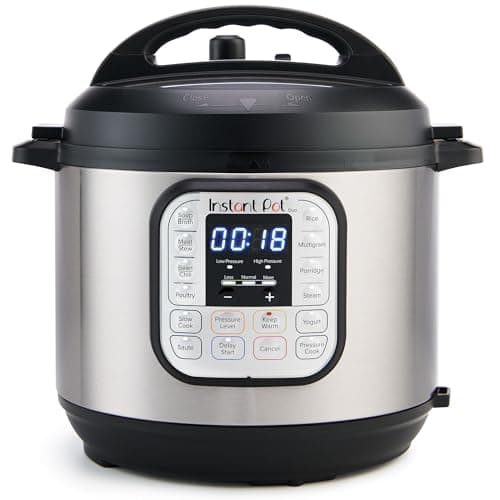
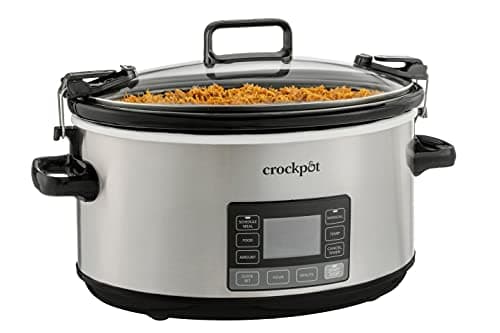
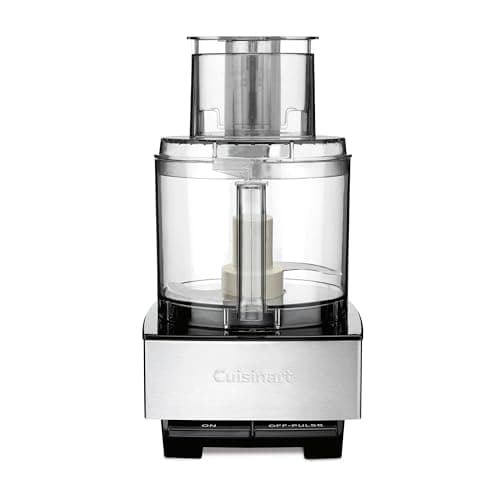
A pot that sears, braises and then goes into the fridge with the lid on covers four stages in one vessel. A pressure cooker that batches beans and grains in a stainless pot covers three. A food processor covers one stage brilliantly and is still worth having, because that stage is the one that takes the longest with a knife. The scores below reflect that, which is why some capable appliances sit mid-table: capability and step-coverage are different things.
Two constraints frame everything. The first is food safety, and it is not optional: the USDA is explicit that cooked food should be refrigerated within two hours, in shallow containers so it cools fast, and used within three to four days. The second is reheating, which is where most meal-prep enthusiasm dies — a week of food that reheats badly does not get eaten. Both are dealt with at the bottom of this page.
The food-safety rules that decide whether a Sunday batch is fine on Thursday
This is the part of meal prep that gets skipped and should not. The USDA's guidance on leftovers is short and specific, and all three rules are about the cooling rather than the cooking.
- Refrigerate within two hours of cooking. A large pot cooling slowly on a counter spends hours in the temperature range where bacteria multiply fastest.
- Use shallow containers. Depth is what makes a batch cool slowly. Splitting seven quarts of chili into portions before it goes in the fridge is not tidiness, it is the cooling method.
- Eat within three to four days. A Sunday batch is a Wednesday-or-Thursday proposition. Anything beyond that should have gone into the freezer on Sunday, not on Thursday.
Rice deserves its own line, because it is the one meal-prep staple where the risk is real and widely misunderstood: uncooked rice carries spores that survive cooking, and cooked rice left at room temperature can develop a heat-stable toxin that reheating does not destroy. Cool it fast, refrigerate it within two hours, reheat once. The full explanation is in reheating food in an air fryer.
Cook for how it will reheat, not for how it tastes now
This is the single biggest change that makes meal prep stick. Food that reheats well and food that tastes best fresh are different lists, and a week of the second kind is a week of disappointing lunches.
| Reheats well | Reheats badly |
|---|
| Braises, stews, chili, curry — better on day two | Anything breaded or battered that was fried fresh |
| Roasted vegetables and roasted potatoes | Leafy salads and anything dressed |
| Shredded or pulled meat in its own liquid | Lean sliced roast meat, which dries out |
| Grains, pulses and bean dishes | Pasta in a thin sauce, which goes claggy |
The appliance you reheat in matters as much as the one you cooked in. A microwave puts moisture back into the surface, which is right for a stew and wrong for a roasted potato; an air fryer does the opposite. Reheat wet food in a microwave and crisp food in an air fryer, and roughly half the complaints about meal prep disappear. The times and temperatures for the second are in reheating food in an air fryer, and the mechanism behind the difference is in air fryer vs microwave.
Component prep beats meal prep
Cooking five identical boxes is the version of meal prep most people abandon by week three. Cooking components — a tray of roasted vegetables, a pot of grains, a batch of shredded protein, a sauce — and assembling different bowls from them survives much longer, because nothing is decided on Sunday except the ingredients.
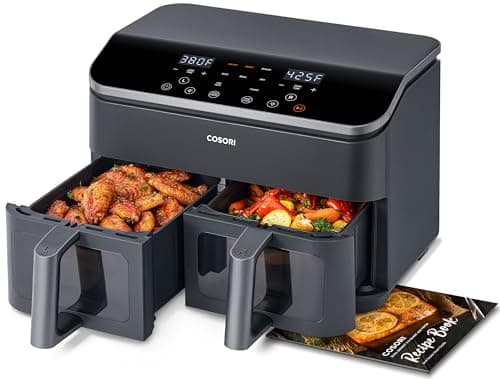
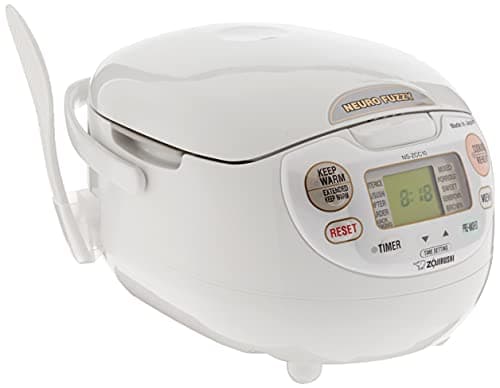
That is also why the ranking above rewards appliances that produce a component rather than a finished dish. The dual-zone air fryer produces two components at once. The pressure cooker produces the pulses and the protein. The rice cooker produces the base. Between them they cover a week without ever cooking the same meal twice.
What a prep session costs to run
Less than the ingredients, by a wide margin. Where a maker publishes a wattage you can work it out: the food processor is 720 watts for about three minutes, roughly a cent; the rice cooker's 680-watt rating over a 50-minute cycle is about ten cents at most. Half the appliances on this page publish no wattage at all, which is a recurring problem in this category and one we go into in the most energy-efficient kitchen appliances. The broader point holds anyway: one long unattended cook that produces five meals is far cheaper per meal than five short ones.
If you are buying one thing
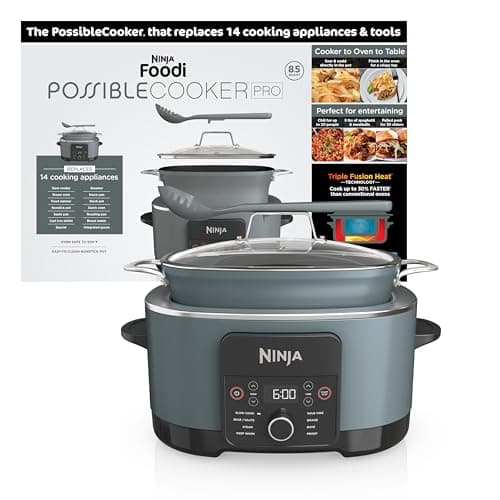
Buy the multi-cooker. It covers the most stages, produces the most useful components and replaces appliances you may already own. Add the dual-zone air fryer second, because roasted components are what a week of bowls is built on and roasting is the method that survives a fridge. The food processor is third and it is a luxury — a very good one, but a knife does the job slowly rather than not at all.