Explainers
Air fryer vs everything else
The honest head-to-heads: what an air fryer actually beats, what it doesn't, and which appliance is cheaper to run — each comparison with the electricity math and a clear recommendation.
We earn a commission when you buy through our Amazon links, at no extra cost to you. It never changes a verdict, and we say so when the cheaper product is the better buy. How this works.
Before “which air fryer” comes a bigger question: do you even need one, or does an appliance already on your counter do the same job? These comparisons answer that honestly, because an air fryer is not magic — it is a small, fast convection oven, and knowing what it genuinely beats (and what it doesn't) saves you both money and counter space.
The short version of each fight: against a full-size convection oven, the air fryer wins on speed and running cost for small batches and loses on capacity — it cannot roast a whole tray of vegetables for six. Against a toaster oven, the two overlap so much that the real question is whether you want one machine that does both, which is why air-fryer toaster ovens exist. Against a microwave, it isn't close: they do different jobs — a microwave reheats and steams, an air fryer crisps and browns — and most kitchens want both.
What makes these comparisons different from the dozens already online is that we put a number on the claim everyone repeats but nobody backs up: “air fryers use less energy.” They usually do, and by how much depends on wattage and time, which we calculate on every page using the same reproducible method — kilowatts times hours times your electricity rate. You can check it yourself with our running-cost calculator. Where the numbers favor the other appliance, we say so.
Three more comparisons cover the decisions that come up once you've settled on an air fryer in principle. Ninja vs Cosori is the brand head-to-head most people end up in — one builds for dual zones and capacity, the other for quiet running and coating-free baskets. Single vs dual basket explains why two 4-quart zones are not the same as one 8-quart space, which is the most expensive misunderstanding in the category. And air fryer vs deep fryer concedes what most sites fudge: an air fryer does not reproduce true deep-fried texture, and the real argument for it is oil, cleanup and smell rather than taste.
We also keep the older head-to-head alive for anyone replacing a machine rather than buying a first one: air fryer vs halogen oven covers the forerunner that air fryers largely displaced, where it still wins (visibility, and room for a large single item), and why the modern format took over on handling and cleaning.
Four newer head-to-heads cover the decisions that come up while you're actually shopping. Ninja vs Instant is the brand fork most American kitchens end up in — one builds for capacity and crisping power, the other for living with the machine, and knowing which you are makes the choice quick. Basket vs oven-style is the format decision that comes before any model decision, because it changes crisping, noise and how much counter you lose. Air fryer vs pressure cooker settles the appliance question of the decade by pointing out they are opposites rather than rivals — one drives moisture off, the other traps it. And cheap vs expensive air fryers is a straight accounting of what more money buys: four real upgrades, and about nine imaginary ones.
The newest head-to-head closes the brand triangle. Cosori vs Instant is the fork most shortlists land in once dual baskets are off the table, and the split is unusually clean: Cosori spends the money on the machine — PFAS-free ceramic baskets, a DC motor with selectable fan speeds, square baskets that fit more in a single layer — while Instant spends it on living with the machine, which means a lit window, an odor filter, and usually a lower price at the same capacity. Which one is right depends on a single question about where your air fryer will sit.
Four more settle arguments the rest of the category leaves open. Ninja vs Philips puts the brand that invented air frying against the brand that took the market, and the gap is not where the marketing suggests. Ninja AF141 vs AF101 is the two best-selling Ninjas separated by one quart and 200 watts — which decides more than the price does. Glass vs metal air fryer baskets explains why a glass container browns more gently and why some people should want that anyway. And air fryer vs indoor grill is the one comparison here between two genuinely different physical processes: moving hot air against hot metal pressed to the food.
The newest one is the head-to-head most shortlists actually come down to. Cosori TurboBlaze vs Ninja AF141 puts the two machines we recommend most side by side and finds that four of their five differences are trivia: six quarts against five, a 450°F ceiling against 400°F, a DC motor against a conventional one, and running costs that come out a tenth of a cent apart on a twenty-minute cook. What is left is the coating, which is a value judgment rather than a performance question — and we say which way we would go, and why.
Each comparison ends the same way: a plain recommendation for who should buy which, and a link to the exact air fryer we'd choose from the best air fryers roundup if the answer is “get the air fryer.” No fence-sitting, no “it depends” without telling you what it depends on.
Three model-level head-to-heads sit alongside the brand pages. Ninja Crispi vs Cosori TurboBlaze is glass against PFAS-free ceramic — one machine deletes the coating, the other replaces it. Ninja DualZone vs DoubleStack is the same capacity in two geometries, side by side or stacked, and the stacked zones do not behave identically. Instant Vortex vs Ninja AF141 is the pairing most shortlists come down to, and the one place we have to leave a column blank because Instant publishes no wattage.
Two newer comparisons widen the field beyond basket machines. Breville vs Cuisinart air fryer toaster oven is element control against coating-free materials, and four of its eight spec rows are blank on the expensive side because Breville does not publish them. And air fryer vs dehydrator settles the dehydrate-button question on three published numbers — tray area, minimum temperature and timer length — with the running cost of a ten-hour batch in each.
The newest comparison here leaves air fryers alone entirely. Immersion blender vs countertop blender is settled by an asymmetry rather than by power: a countertop jar cannot work below roughly two cups because there is nothing to pull food into the blade, while a stick blender needs about three inches of depth and has no volume limit at all. It also carries the safety point the category skips — hot liquid in a sealed jar is a pressure problem, and the makers' own manuals say so.
Three new comparisons extend the hub past the basket entirely. Toaster oven vs microwave is settled by what each machine heats — the water inside the food, or the surface of it — and answers the radiation question in the FDA's own words rather than a paraphrase. Slow cooker vs pressure cooker works outward from the boiling point in both directions and carries the warning neither maker prints: an electric multicooker is not a tested pressure canner. And blender vs food processor reduces a long-running argument to one question — does the result need to pour? — then answers it per recipe for salsa, pesto, hummus and gazpacho.
The newest comparison in this hub turns on which machine brings its own bowl. Stand mixer vs hand mixer is settled by two questions — does the recipe knead, and do you need your hands back — rather than by wattage, because hand mixers publish 220 to 350 watts and plenty of stand mixers sit in the same band. It carries the per-recipe table, the attachment hub nobody counts as a deciding factor, and the warning that a cheap stand mixer takes a stand mixer's counter space and still cannot knead.
Everything in this hub
All comparisons
Explainer
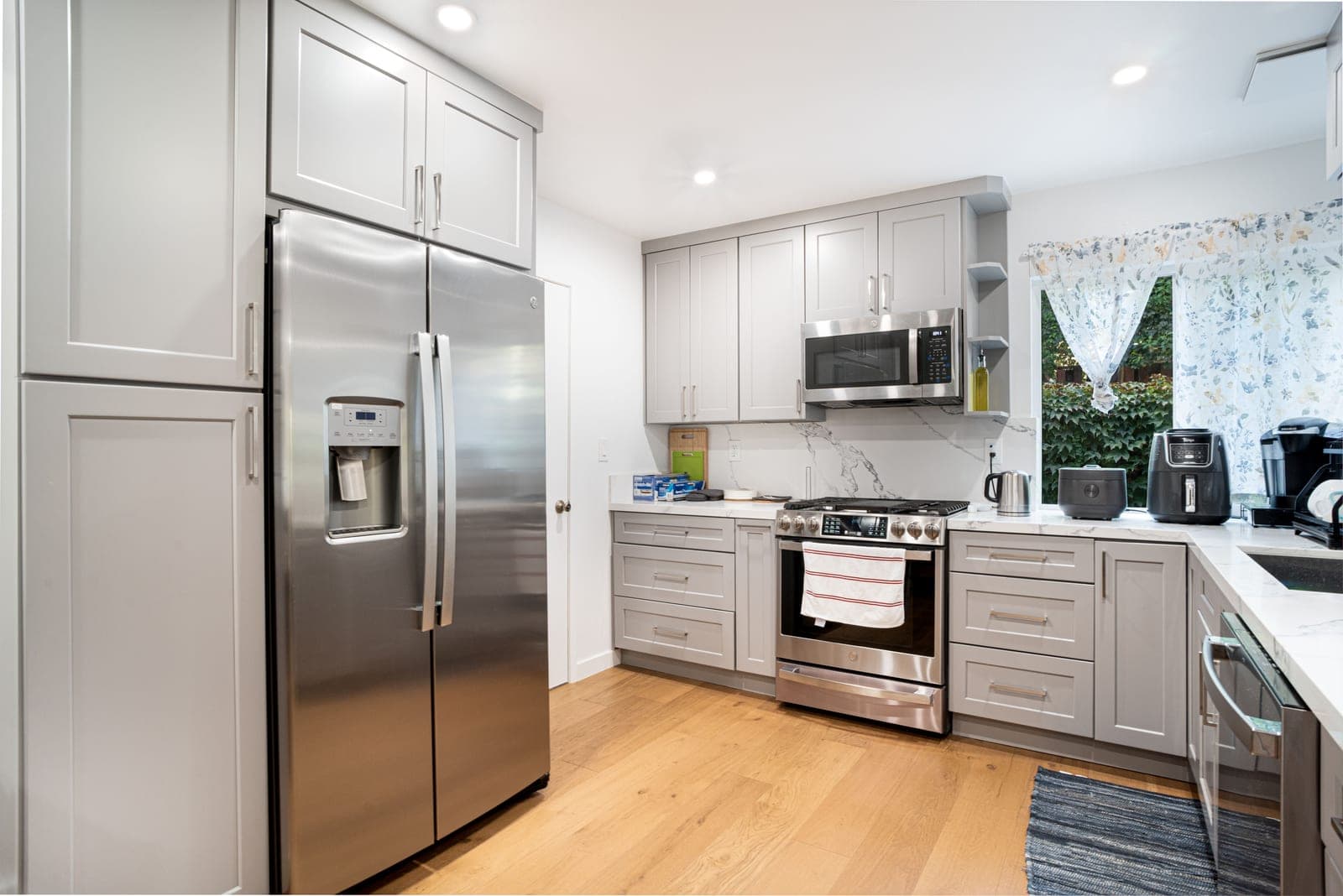
Air fryer vs convection oven: the honest comparison, with the running-cost math
Same technology, different size. Which crisps better, which is cheaper to run, and which you should buy — with the electricity math worked out.
Read the guide →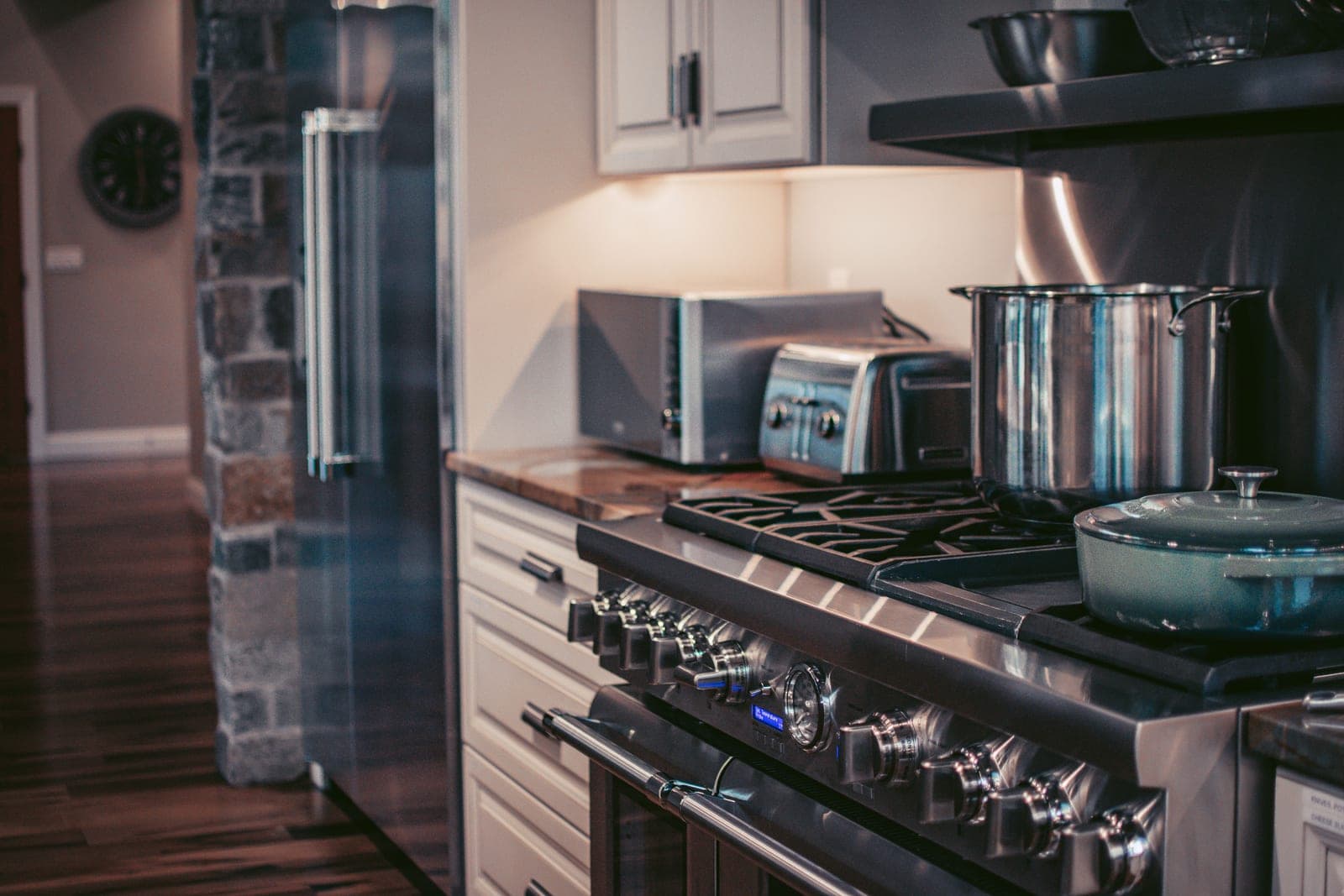
Explainer
Air fryer vs toaster oven: the overlap, the differences, and whether you need both
The closest fight in the kitchen. What each does better, the running cost, and why an air-fryer toaster oven might replace both.
Read the guide →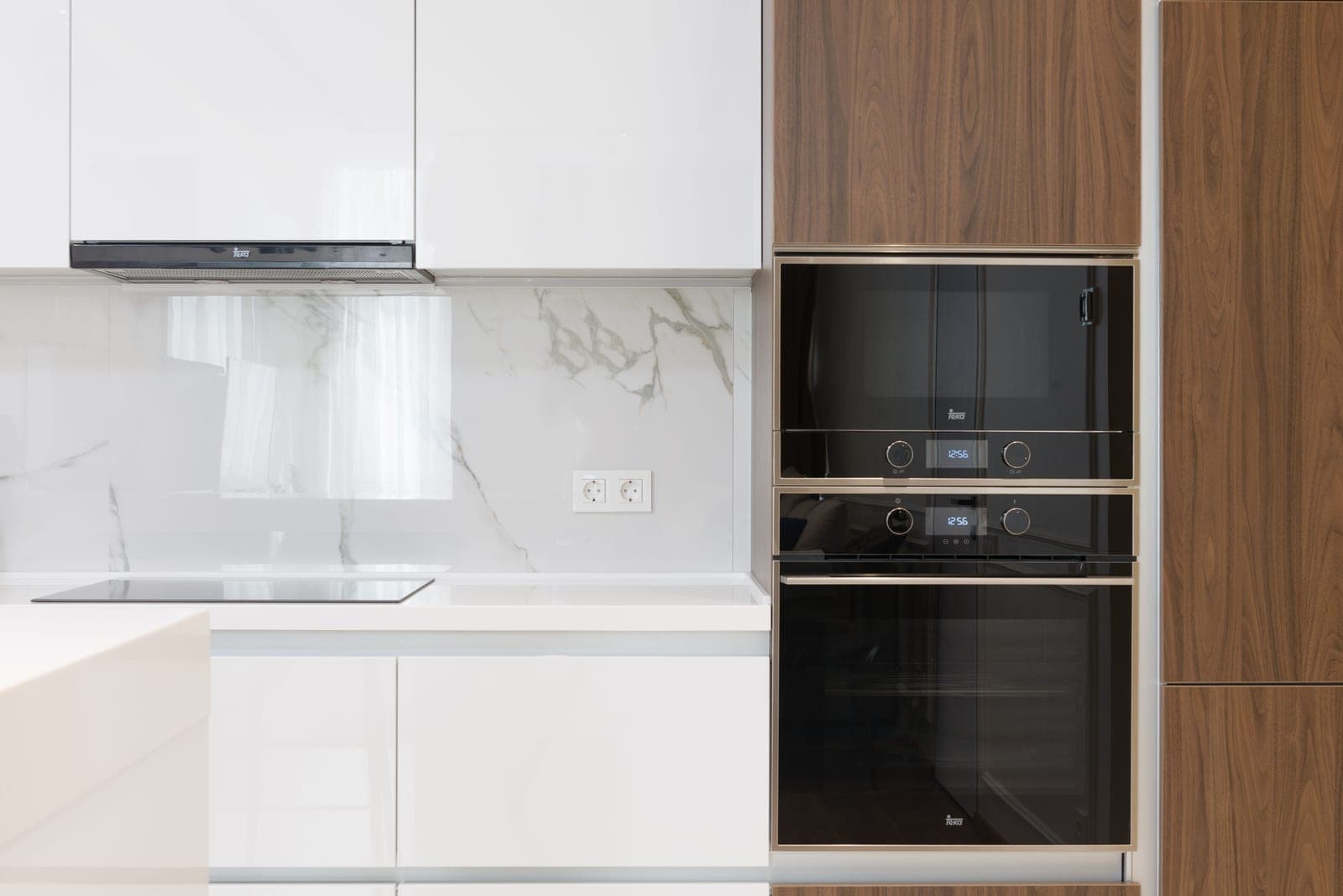
Explainer
Air fryer vs microwave: two different tools, not rivals
Different jobs entirely — crisping vs fast reheating. Which reheats better, which is cheaper, and why most kitchens keep both.
Read the guide →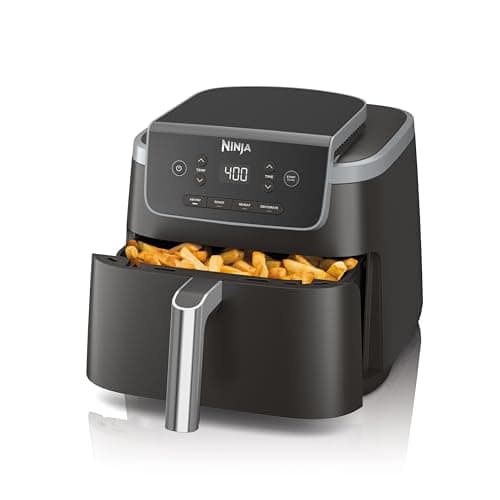
Explainer
Ninja vs Cosori: the two brands most people choose between
The head-to-head most buyers actually face — where Ninja wins, where Cosori wins, and the one question that settles it for your kitchen.
Read the guide →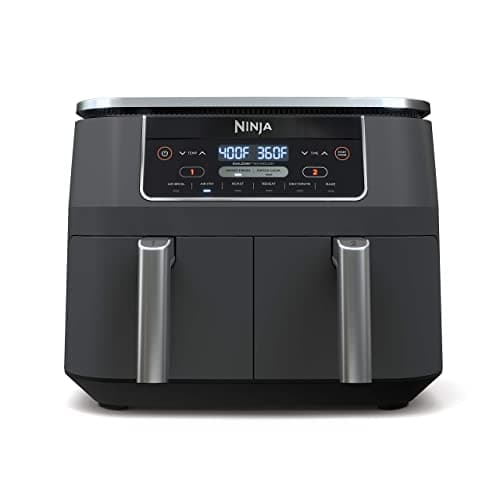
Explainer
Single vs dual basket air fryers: which layout suits how you cook
Two zones or one big space? The capacity math people get wrong, plus counter space, cleaning and which layout fits your cooking.
Read the guide →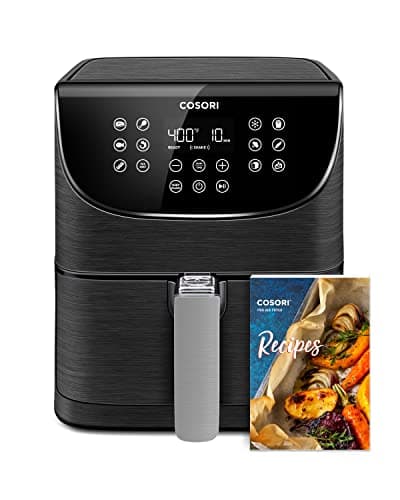
Explainer
Air fryer vs deep fryer: an honest comparison, including the taste gap
The comparison most sites fudge. What an air fryer genuinely cannot replicate, what the oil actually costs you, and which machine to own.
Read the guide →Explainer
Air fryer vs halogen oven: what changed, and which to buy now
The forerunner versus the machine that replaced it. Where the halogen oven still wins, where the air fryer wins, and which one to buy today.
Read the guide →Explainer
Ninja vs Instant: which air fryer brand should you buy?
Ninja builds for capacity and crisping power; Instant builds for visibility and living with the machine. Which philosophy suits you, decided on specifics.
Read the guide →Explainer
Basket vs oven-style air fryers
The format choice that decides crisping, noise and counter space — with the honest rule for which kind of cook should pick which.
Read the guide →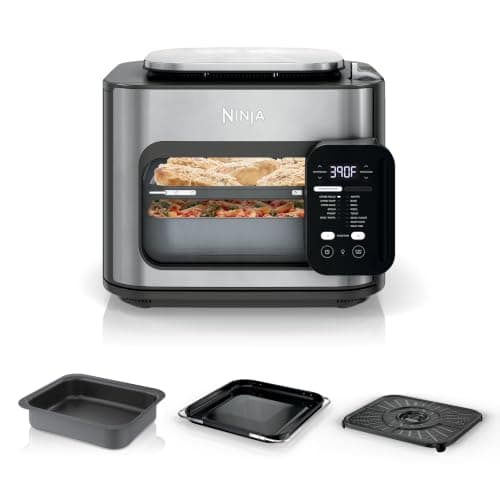
Explainer
Air fryer vs pressure cooker
Crisp versus tender, decided on what you actually cook — plus an honest look at whether the combo machines are worth it.
Read the guide →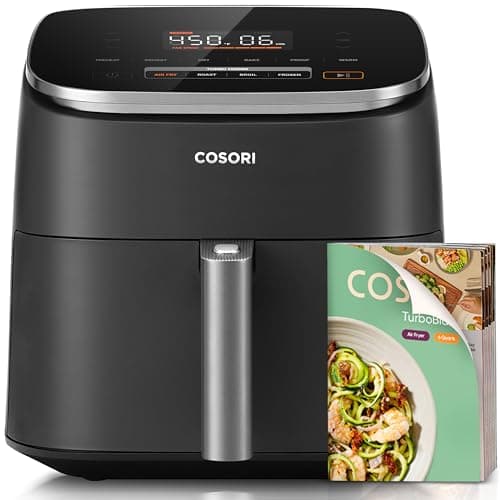
Explainer
Cheap vs expensive air fryers: what the money actually buys
The four upgrades that are real, the ones that are marketing, and the price point where spending more stops improving your food.
Read the guide →Explainer
Cosori vs Instant: the two brands that keep landing on the same shortlist
The brand fork this site had not answered — Cosori builds the hardware, Instant builds the experience. Which matters more depends on one question about your kitchen.
Read the guide →Explainer
Ninja vs Philips air fryers
The company that invented air frying against the company that sells the most of them — on wattage, real capacity, coating claims and cost per cook.
Read the guide →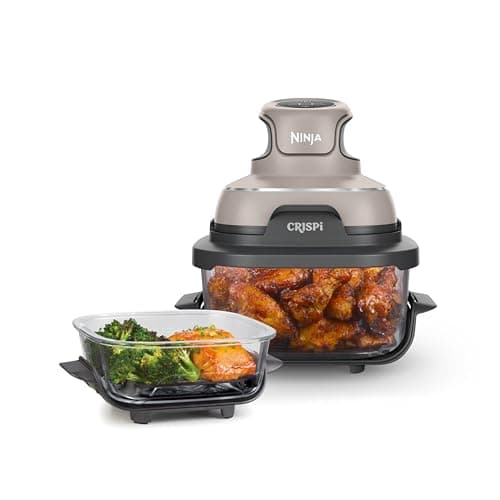
Explainer
Glass vs metal air fryer baskets
What changes when you cook in borosilicate glass instead of a coated metal basket — browning, capacity, weight, cleaning and the coating question, settled.
Read the guide →Explainer
Ninja AF141 vs AF101
One quart and 200 watts apart, and the gap decides more than the price does — capacity translated into real dinners, plus the running-cost math for both.
Read the guide →Explainer
Air fryer vs indoor grill
Moving air versus contact heat: what each format actually does better, the honest position on smoke, and when a combo machine earns its counter space.
Read the guide →Explainer
Cosori TurboBlaze vs Ninja AF141
Six quarts and PFAS-free ceramic against five quarts and more power per quart - with the running-cost math for both, which comes out the same to within a tenth of a cent.
Read the guide →Explainer
Ninja Crispi vs Cosori TurboBlaze: glass against ceramic
The two machines people shortlist when they want out of PTFE, compared on capacity, temperature and what the food actually touches - with live prices.
Read the guide →Explainer
Ninja DualZone vs DoubleStack: side by side, or stacked
Ninja's two two-basket formats compared on counter width, zone size and price - with the honest note that the stacked zones do not behave identically.
Read the guide →Explainer
Instant Vortex vs Ninja AF141: the window or the wattage
Instant Vortex Plus ClearCook against the Ninja AF141, compared on published wattage per quart, visibility and cost per cook - with live prices.
Read the guide →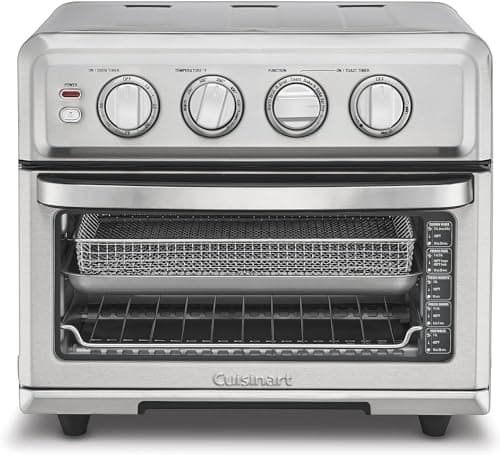
Explainer
Breville vs Cuisinart: which air fryer toaster oven?
The Breville Smart Oven Air Fryer against the Cuisinart Air Fryer Toaster Oven - element control versus coating-free materials, with the one spec only Cuisinart publishes.
Read the guide →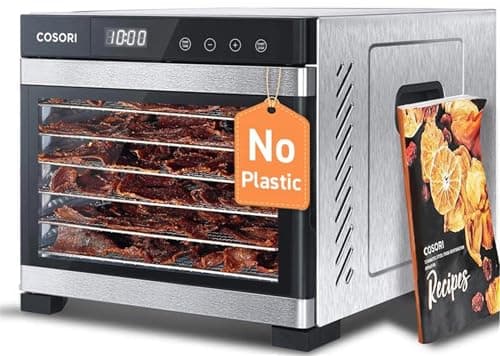
Explainer
Air fryer vs dehydrator
Why the dehydrate preset on an air fryer rarely works - tray area, published minimum temperature and timer length, compared against a real dehydrator, with the running cost of a 10-hour batch.
Read the guide →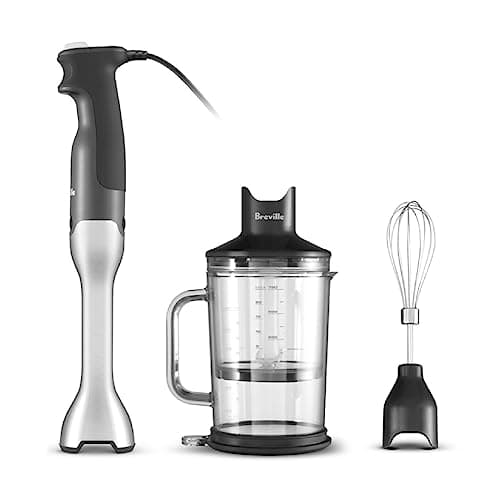
Explainer
Immersion blender vs countertop blender
The asymmetry that settles it: a jar needs a minimum volume to form a vortex, a wand needs a few inches of depth and nothing else - plus ice, hot-liquid safety, and the texture ceiling.
Read the guide →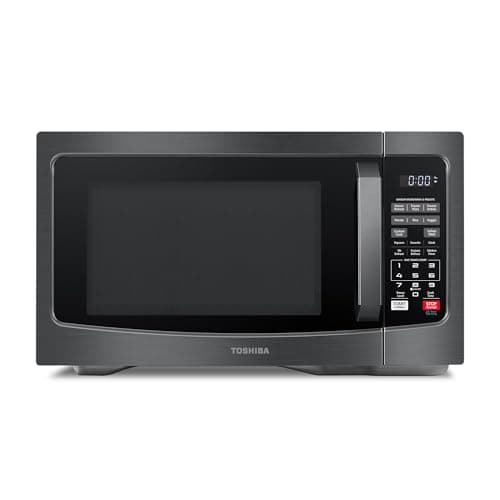
Explainer
Toaster oven vs microwave
The physics splits it cleanly: inside-out versus outside-in. Plus the radiation question answered from the FDA's own page, and what each actually costs to run.
Read the guide →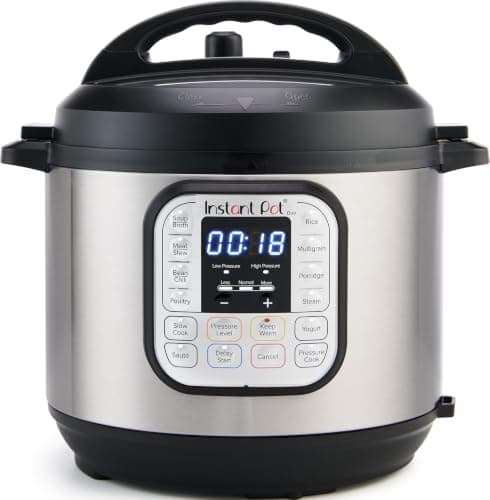
Explainer
Slow cooker vs pressure cooker
Below the boil for hours versus above it for minutes — what each does to collagen, what neither does to flavor, and why the USDA-funded canning center says not to can in either.
Read the guide →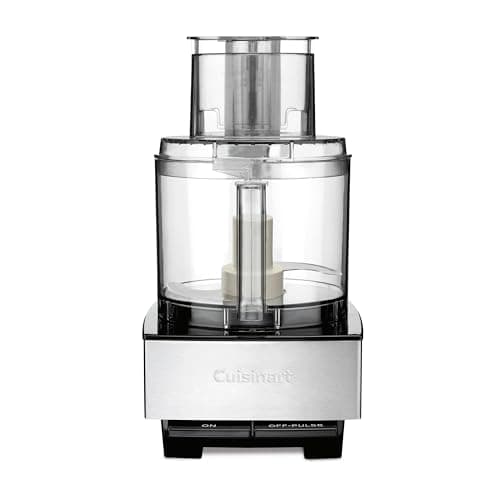
Explainer
Blender vs food processor
One question settles it: does the result need to pour? Plus the per-recipe answers for salsa, pesto, hummus, baby food and gazpacho, and what neither machine does.
Read the guide →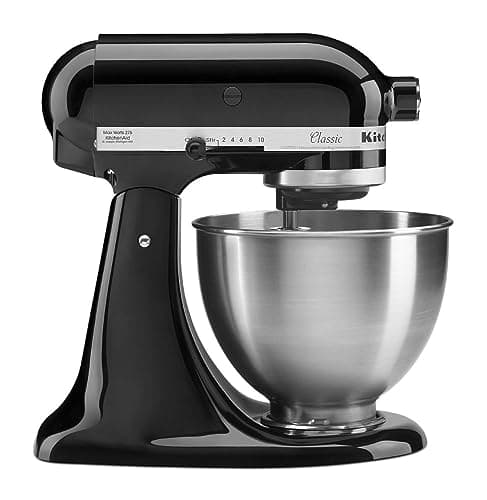
Explainer
Stand mixer vs hand mixer
Two questions settle it: does the recipe knead, and do you need your hands back? Plus the per-recipe table, the attachment hub nobody counts, and what each machine costs you after the purchase.
Read the guide →