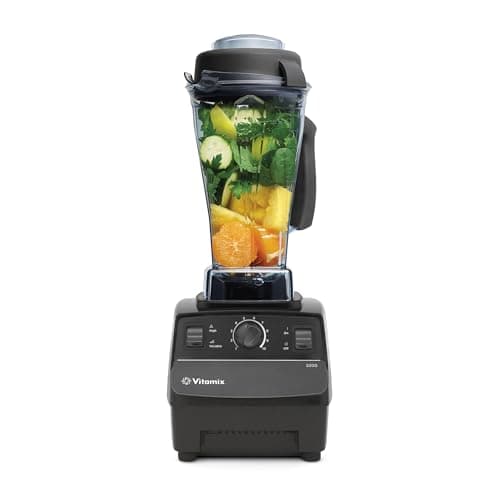
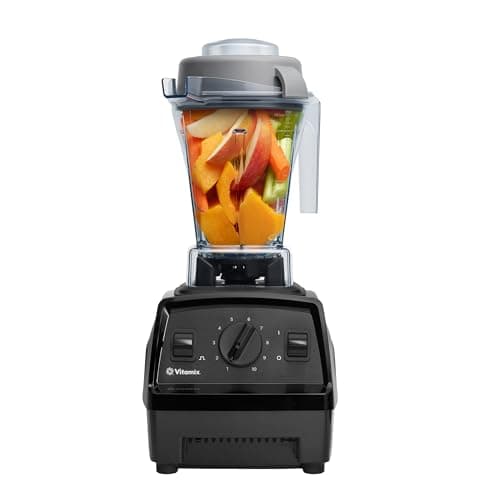
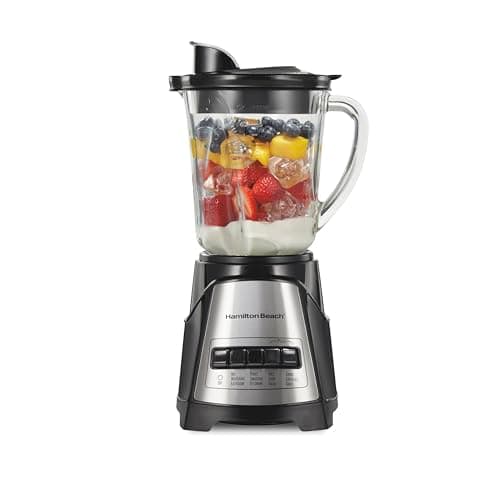
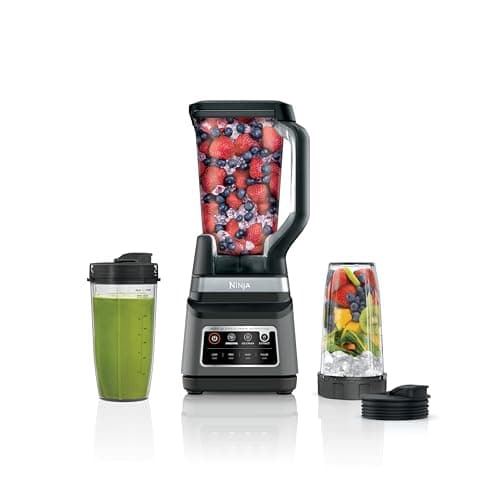
Blenders are the appliance people most often over-buy. A high-performance machine is a genuinely different object from a supermarket blender — it will pulverize ice, make soup hot from friction alone, and last twenty years — but it costs several times as much, and if what you make is a banana smoothie four mornings a week, none of that capability reaches you.
So the useful question is not which blender is best but what you blend. Frozen fruit and ice need power. Hot soup needs a jar that tolerates it and a vented lid. Nut butters and green smoothies with fibrous leaves are the jobs that genuinely separate a cheap machine from an expensive one. Everything else — milkshakes, batters, pancake mix, the occasional sauce — a forty-dollar machine handles fine.
These are ranked on motor, jar material and controls, in the same way we rank air fryers: published specs, materials you can verify, and aggregated owner reports. We have not lab-tested them, and we say so. For the wider view on which manufacturers are worth trusting, see our brand guide.
Match the machine to what you actually blend
Smoothies with frozen fruit, milkshakes, batters, pancake mix. Any machine on this page handles these. Buy on price and jar preference; the budget pick is genuinely adequate.
Ice, daily. You want real power — the 1,000-watt-plus tier and up. Low-powered motors will crush ice occasionally, but doing it every day is how cheap blenders die.
Green smoothies with kale, celery, fibrous stems. This is the job that genuinely separates the tiers. A mid-price machine leaves detectable fiber; a high-performance one does not. If gritty texture bothers you, this is the reason to spend.
Nut butters and hot soup from friction. High-performance machines only. A mid-price blender asked to make almond butter will overheat and cut out.
Watts are a rough guide, not a specification
Blender marketing leans heavily on wattage, and it deserves skepticism. Most figures quoted are peak watts — a momentary maximum at startup, not sustained output — so a 1,400-peak-watt machine is not doing 1,400 watts of work through your smoothie. Wattage is also only half the story: blade geometry and jar shape determine whether food circulates into the blades or sits in a pocket above them, which is why a well-designed 700-watt machine can outperform a badly designed 1,000-watt one. Treat watts as a rough tier indicator and weigh jar design alongside it.
Glass or plastic?
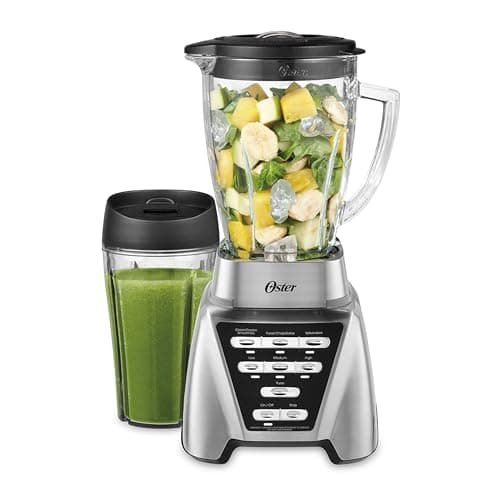
Glass does not scratch, does not cloud, and does not hold onto the smell of garlic or curry — which plastic reliably does over time. It also cleans properly. The costs are weight and fragility, and a full glass jar is genuinely heavy to pour.
Plastic is lighter, cheaper and survives being dropped. Modern blender jars are BPA-free as standard, so the material question is mostly about longevity and odor rather than safety. Most high-performance machines use plastic specifically because a 64-ounce glass jar would be unmanageable.
The mistake worth avoiding
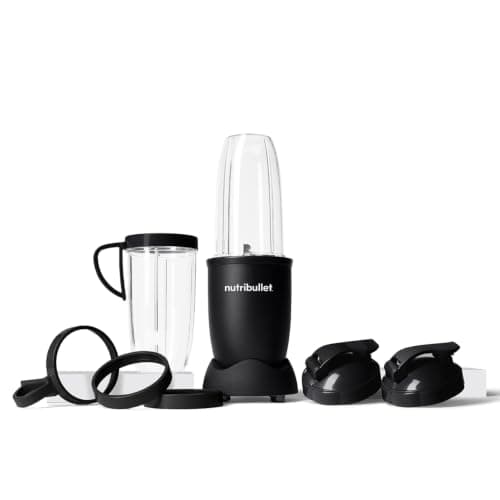
Buying a big machine for a small job. A full-size blender means washing a full-size jar every time you make one smoothie, and that friction is the reason a lot of expensive blenders live in a cupboard. If your use is genuinely one drink at a time, a personal blender that you drink from directly will get used far more often than a better machine that you have to clean. Be honest about the pattern of your cooking rather than the ambition of it — the same argument we make about air fryer capacity in the sizing guide.
Noise, and where it comes from
Every powerful blender is loud, and no amount of marketing changes the physics of a blade spinning at high speed through hard food. If noise genuinely matters in your home, the honest options are a lower-powered machine, a personal blender with less to move, or blending at a time that suits the household — not a premium machine advertised as quiet.