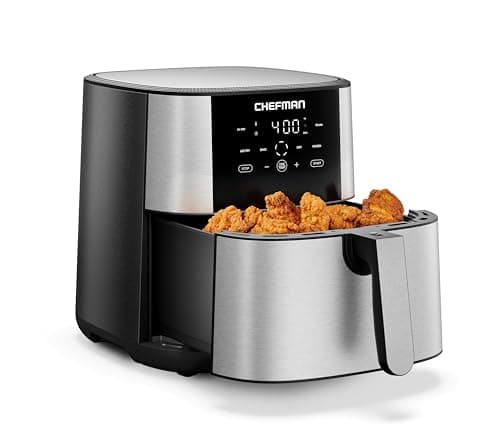
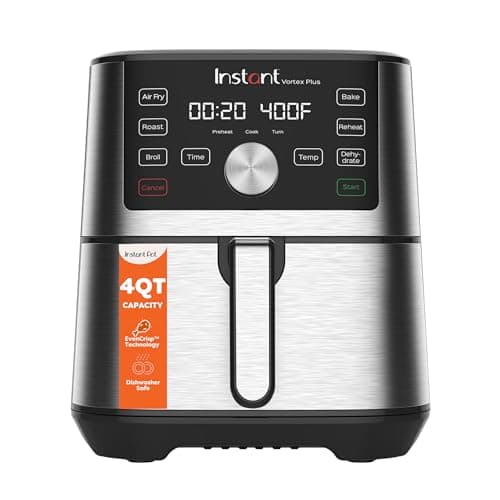
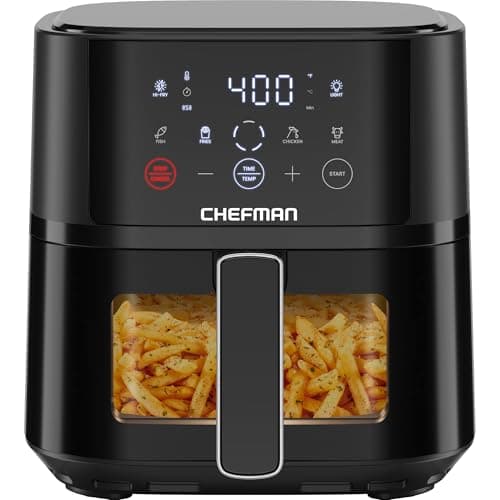
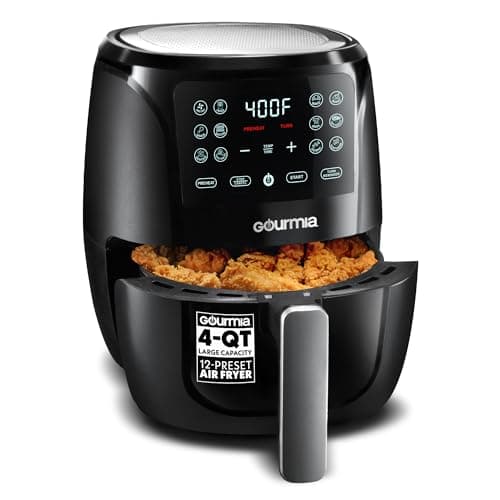
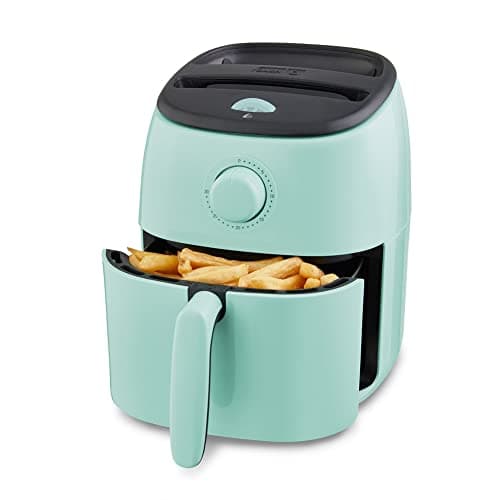
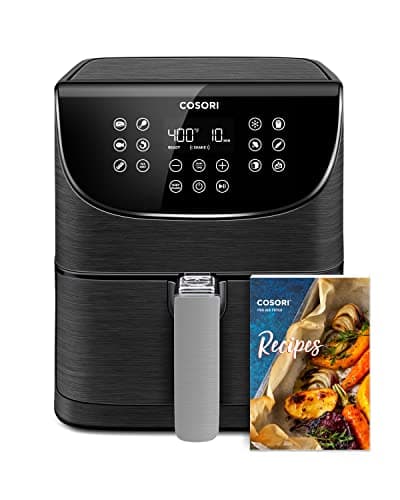
Here is the good news about buying an air fryer cheaply: this is a mature category, the technology is a fan and a heating element, and the inexpensive machines genuinely cook well. You are not buying a compromised version of the experience. What you are buying is a machine that has had something removed to hit a price, and the entire skill of shopping here is knowing which removals you will notice.
Some are painless. A plain display instead of a crisp one, plastic instead of stainless, no window, fewer presets — none of that changes what comes out of the basket. Some are not. The one saving that reliably turns into a regret is capacity: buying a smaller machine than your household needs because it was thirty dollars less. That machine ends up in a cupboard, which makes it the most expensive thing on this page regardless of what you paid.
So these are ranked by what they give up, not just by price. Each entry says plainly which corner was cut. If you have not settled on a size, read what size air fryer you need first — it is the decision that decides whether any of this is a bargain. And check the live numbers on our deals page, because the ranking below is about value, not about who is cheapest today.
The corners worth cutting
Save money on all of these without hesitation. Appearance — plastic bodies cook exactly as well as stainless ones. Presets — a nine-in-one machine is a one-in-one machine with eight shortcut buttons, and you can set time and temperature yourself. Apps and connectivity — nobody has ever needed to preheat an air fryer from the bus. Windows — genuinely useful while learning, entirely optional once you know your machine. Displays — a dim segment display works the same as a bright one.
The corner never worth cutting
Capacity. It is worth being emphatic because it is the only mistake in this category that cannot be worked around. A machine too small for your household means batch cooking every meal, and batch cooking is precisely how air fryers end up unused in a cupboard. A 40-dollar machine you stopped using cost more than a 90-dollar one you use four times a week. If the budget will not stretch to the size you need, our honest advice is to wait for a discount on the right size rather than buy the wrong one now — the deals page explains when those discounts actually land.
Two more things worth paying for
Parts availability. The basket coating is the shortest-lived component in any air fryer. Brands that sell replacement baskets let you spend a small amount instead of replacing the whole machine when the coating goes — which makes a slightly pricier machine from an established brand cheaper over five years. Our brand guide covers who does this well.
A basket shape that suits your food. A square basket holds more flat food than a round one of the same quart rating, which means fewer batches for the same money. That is why our top budget pick is the shape it is.
What about the coating?
Every machine on this page uses a PTFE nonstick basket, because coating-free options — glass, PFAS-free ceramic, stainless — carry a real price premium and none of them land in the budget tier. Food-safety agencies consider PTFE safe at air-fryer temperatures, and we set out the evidence in are air fryers toxic. If avoiding coatings matters more to you than price, that is a legitimate preference and you should shop the non-toxic roundup instead — but know that you are leaving the budget bracket to do it.
Cheap machines and running cost
A budget air fryer costs no more to run than an expensive one — the wattage band is much the same across the category, and a twenty-minute cook sits in the region of seven to nine cents at the national average rate either way. There is no hidden running-cost penalty to buying cheaply, which is one of the genuinely good things about this category. Check your own figure with the running-cost calculator.
Gourmia's 6-quart machine is not on this list — the 4-quart above is the one we would buy — but it is reviewed in full for anyone weighing the two against each other in our Gourmia 6 Qt review.
How we picked
We did not lab-test this gear
Everyone in this category says they tested twenty air fryers. We have not lab-tested any of these, and we say so. What we did instead: compiled the published specifications — wattage, capacity, materials — worked out what each machine actually costs to run at the national electricity rate, read the manuals and owner reviews, and scored each one against a published rubric. The scores are judgments from documented research — not measurements we took, because we do not have a lab and we will not pretend we do. Where a number came from someone else's work, we name them in Sources.